
Overview
Small Batch CNC Machining
Small batch CNC machining for runs of 10–500 metal or engineering plastic parts. We also make single-piece prototypes and handle larger production runs above 500 parts. Send your drawing revision, material, finish and quantities for a quote and free DFM review. Milling and turning from stock avoid a production mold, while programming, setup and any special fixtures still contribute to the cost.
Small batch CNC machining offers several important advantages:
How it works:
Send a STEP model and dimensioned PDF where available. State the drawing revision, material, finish, critical dimensions and quantities. List each part number separately for a mixed-part enquiry.
We aim to quote within 24 hours of receiving complete drawings and requirements. Larger requests with multiple parts may take up to 48 hours.
Engineers review your design, resolve open questions and schedule machining after drawing and order approval.
Every batch is dimensionally inspected before packing, with a quality report. Delivery route and terms are confirmed in the quotation.

Comparison
Small Batch vs Large Volume
Small batches and larger runs use the same core CNC machining processes. At higher volumes, programming and setup costs are spread over more parts, and dedicated fixtures may improve efficiency. Small batches usually avoid production molds, but special tooling or workholding may still be needed.
| Factor | Small Batch (1–500 pcs) | Larger Runs (Over 500 pcs) |
|---|---|---|
| Unit price | Higher per piece | Lower per piece |
| Tooling cost | Special tools or fixtures may apply | May apply for custom fixtures |
| Lead time | About 15 days for samples; about 30 for orders | About 30 days; confirmed in the quote |
| Design changes | Programming or fixtures may need updates | Costly if tooling is involved |
| Inventory risk | Lower stock commitment | Higher |
| Best for | Prototypes, pilots, R&D, spare parts | Mature, stable designs at scale |

CNC prototypes from 1 piece
Davantech accepts single-piece CNC prototypes and small batches of 10–500 parts. Runs of more than 500 parts are larger production orders. We apply the same fixed job costs to prototypes and series. In a series run, those costs are spread across more parts, so the cost per part is generally lower.
| Quantity | What drives the price per piece | Typical use |
|---|---|---|
| 1 piece | The full setup (programming, fixturing, first-article check) is carried by one part | Prototype, spare part, fit check |
| 2–9 pieces | Setup is shared; the saving depends on machining time, material and inspection | Samples for testing, small assemblies |
| 10–500 pieces | Setup cost per piece falls; machining time and material remain important | Pre-series, pilot runs, low-volume products |
| Over 500 pieces | Optimized programs and dedicated fixtures may reduce machining time per part | Series production, repeat orders |
Compare both the unit price and the total batch price at each requested quantity. Include material, setup, inspection, finishing and delivery on the same basis; a lower unit price can still mean a larger total purchase.
When a minimum charge can apply
- Surface treatments. Anodizing, plating and some coatings are done by specialized partners who can charge a minimum lot price. For one or two parts this can be a large part of the total. It is always shown as a separate line in the quote.
- Special materials. Some alloys and engineering plastics are only sold in full bar lengths or plate sizes. If your part needs one of those, the quote says so.
- Injection molded parts. Molding requires a mold investment. Compare tooling and part costs across the expected lifetime volume; CNC machining is often economical for short runs.
Not sure which quantity to order? Ask for two or three quantities, for example 1, 10 and 50 pieces. Compare total order cost, immediate demand and the likelihood of a drawing change before choosing the batch size. Get an instant CNC estimate or request an engineer-reviewed quote.
Small batch for every stage
Small batch machining serves three different needs: proving a new design, bridging the gap to series production, and keeping existing equipment running. Material, tolerances, inspection requirements and repeat-order quantities determine how each job is planned.
- Metal and engineering plastic grades subject to review
- Free DFM review before machining starts
- Design changes without a new production mold
- Production materials and finishes
- First article measured before the batch
- Review existing programs and fixtures against the approved revision for repeat orders
- Single-piece prototypes and small batches of 10–500 parts
- Machined to the agreed tolerances
- Reorder the same part when you need it
Lead time depends on material, finish and quantity, and is confirmed in every quote. Prototype acceptance does not automatically approve a changed production drawing; identify the revision and acceptance requirements for the next batch.
Materials for Low Volume Machining
All standard CNC materials can be quoted for small quantities. Availability and minimum stock purchases depend on grade and size; confirm these with your drawing.
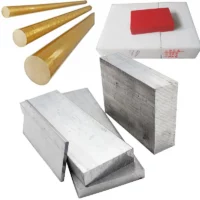
ALUMINUM ALLOYS
- 6061-T6 (general purpose)
- 7075-T6 (high strength)
- 2024-T3 (fatigue resistance)
- 5052-H32 (marine grade)
STAINLESS STEEL
- 303 · 304 / 304L
- 316 / 316L
- 17-4 PH
- 420
STEEL & TOOL STEEL
- Mild Steel (S235, 1018)
- 4140 · 4340
- D2 Tool Steel
- H13
COPPER & BRASS
- Brass C360
- Copper C101
ENGINEERING PLASTICS
- POM / Delrin · PEEK
- PA6 / PA66 (Nylon)
- PTFE · PC · HDPE
- UHMW-PE · ABS
SURFACE FINISHES & TREATMENTS
- Anodising (Type II & III)
- Bead Blasting
- Powder Coating
- Nickel · Black Oxide · As-machined
Our Small Batch Manufacturing Process
Five steps from design review to delivery. Send your drawings, quantities and requirements; we confirm the manufacturing plan and schedule before production.
Technical Specification
Machining Specification
Specify critical dimensions, mating fits and tolerances on your drawing. State whether dimensions apply before or after finishing and identify any inspection or material-documentation requirements. Achievable tolerances depend on material, feature geometry, part size and finish, and are confirmed during quotation.
| Parameter | Specification |
|---|---|
| Dimensional Tolerance | ±0.05 mm on specified features, subject to review |
| Tight Tolerance | ±0.01 mm on qualifying features, confirmed after review |
| General Tolerances | ISO 2768-m where agreed; drawing requirements take precedence |
| Prototype Quantity | 1 piece |
| Typical Small Batch | 1–500 pieces |
| Quote Lead Time | We aim to quote within 24 hours of complete requirements. Larger requests with multiple parts may take up to 48 hours. |
| Production Lead Time | About 15 days for samples; about 30 days for orders. Confirmed in the quote. |
| Shipping (Express) | Typically 3–8 working days to Europe / USA; route and customs dependent |
| File Formats | STEP, IGES, DXF, DWG, PDF |
| Quality Certification | ISO 9001:2015 |
Why Small Batch at Davantech
Order from one piece. Pricing accounts for setup, machining, material, inspection and any specified finishing.
Managed by a European team on-site. English communication, ISO drawings, European quality expectations.
Machining takes place in our factory. Specialist finishing is coordinated with partners through the same order.
Compare quantities, setup, finishing and delivery together. The lowest unit price may not give the lowest total order cost.
Scale from 1 prototype to 500 production parts without re-qualifying a new vendor.
For a repeat batch, quote the previous order or part number and send the approved drawing revision, material, finish, quantity and inspection requirements. Highlight changes so programs, workholding and price can be reviewed before production.
Good Fit
Small Batch CNC Is Ideal When:
✔ You need prototypes or samples before committing to production tooling
✔ Your volumes are naturally low (1–500 pcs per order)
✔ The design may still change before the next batch
✔ You need spare or replacement parts on demand
✔ You need a machinable material or critical features suited to milling or turning
✔ You want to avoid the lead time and investment of a production mold
✔ You’re running a pilot batch before scaling to volume production
Poor Fit
Consider Alternatives When:
X You need tens of thousands of identical plastic parts. Compare injection molding over the expected lifetime volume
X Internal features or tool-access limits make machining impractical; review additive manufacturing or molding
X Budget is the only constraint and tolerances are not critical. Consider sheet metal or 3D printing
X You need internal lattices or hollow features suited to 3D printing; confirm strength and finish requirements
Minimum order questions
Short answers to the questions buyers ask most about order quantities and pricing for small batch CNC machining.