
Reaming vs Drilling vs Tapping
Drilling makes the hole, reaming finishes its diameter and surface, and tapping produces an internal thread. This guide shows how each works on a CNC machine, what accuracy to expect and when to use which. For reamer types and tolerance tables, see What Is Reaming.
The Three Operations Compared
| Drilling | Reaming | Tapping | |
|---|---|---|---|
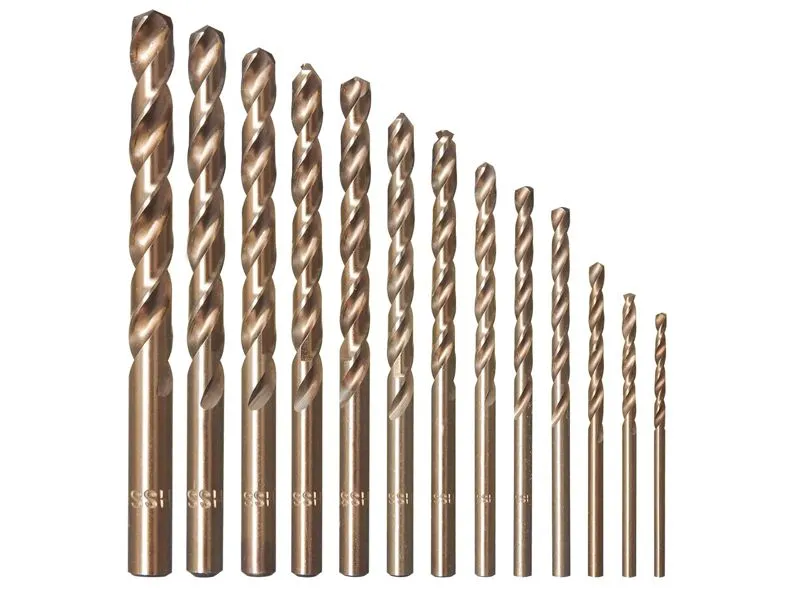 |
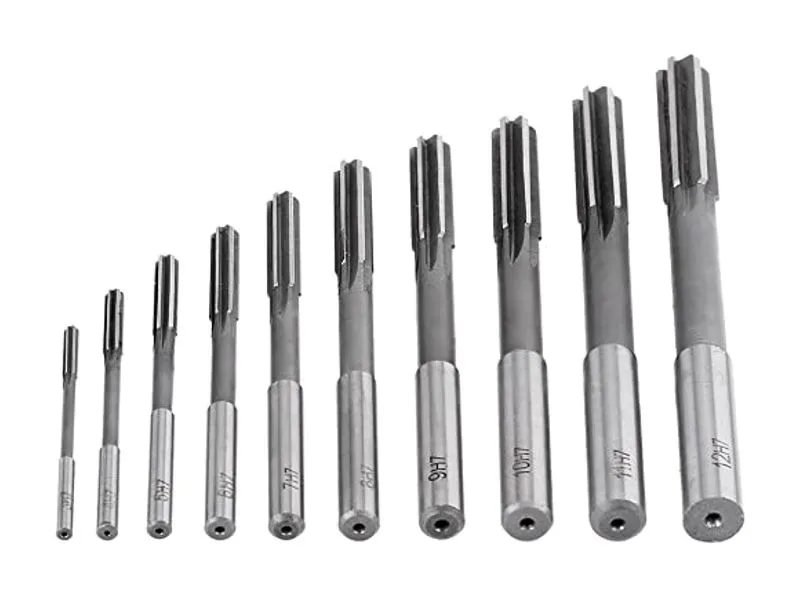 |
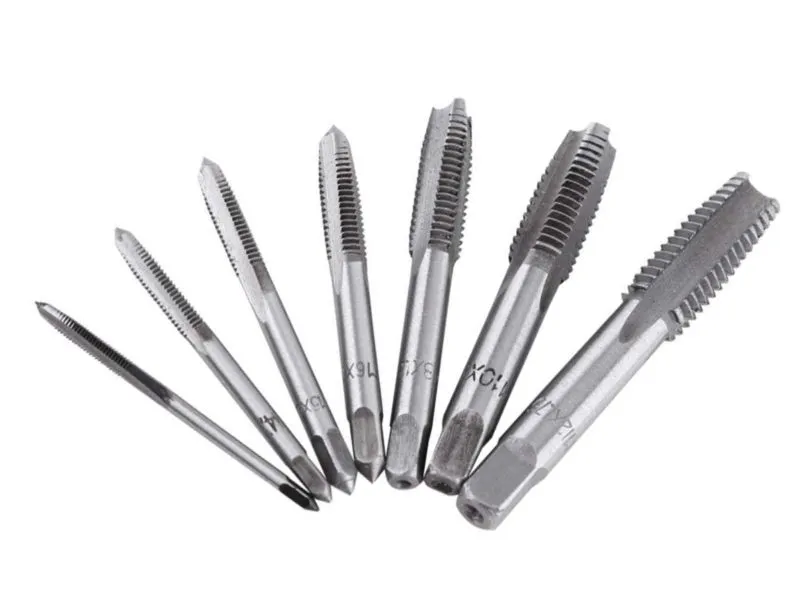 |
|
| Purpose | Make a hole in solid material | Bring a drilled hole to exact size, roundness and finish | Produce an internal thread |
| Tool | Twist drill, spot drill, centre drill | Reamer with straight or helical flutes | Cutting tap or forming tap; thread milling is a separate process |
| Typical accuracy | Tool-, diameter- and setup-dependent; specify size limits | H7 is a common requirement: Ø10 H7 is 10.000–10.015 mm | Drawing-specific; 6H is a common ISO metric internal-thread class |
| Material removed | The full hole | Tool- and material-specific finishing allowance | Cutting taps remove material; forming taps displace it |
| Surface finish | Specify the required Ra; tool and setup determine the result | Specify Ra separately from the hole size tolerance | Depends on tap and material |
| Use it for | Clearance holes and holes to be tapped | Dowel pin holes, bearing and shaft fits | Screw and bolt connections |
These are process-selection examples, not guaranteed tolerances or settings. The drawing defines the size, position, finish and thread system. Confirm the tool, material and inspection requirements at quotation. Tool-selection references: Gühring reaming guidance and OSG tap types.
What Is Drilling in CNC Machining?
Drilling makes a round hole with a rotating cutting tool. It is the first step for almost every hole on a part, including holes that are reamed or tapped afterwards.
What Is Tapping in CNC Machining?
Tapping produces an internal thread in a prepared hole using a cutting or forming tap. The pre-hole diameter affects thread engagement and torque; it does not define the axial thread depth. Specify the thread designation, tolerance class and usable thread depth, then select the pre-hole for the tap and material.
Where Reaming Fits
Reaming takes a small, even cut from a drilled hole to reach an exact diameter, typically H7, with a smooth wall. A reamer follows the existing hole, so position and straightness need to be established beforehand. Boring may correct the axis when enough stock remains and access permits; a correctly drilled hole may already meet its position tolerance. Reamer types, tolerance tables and machines are covered in What Is Reaming.
A Typical Hole Sequence
Getting Holes and Threads Right
Common Problems and Fixes
| Problem | Usual cause | Fix |
|---|---|---|
| Chips packing in the hole | Deep hole, wrong flute type, too little coolant | Check tool-specific chip control, the drilling cycle and coolant delivery; select the tap for the hole type |
| Broken taps | Tap drill too small, chips in a blind hole, misalignment | Verify pre-hole diameter, usable thread depth, tap lead clearance, alignment and synchronized feed |
| Oversize or tapered holes | Part deflection, worn or run-out tool | Check support, runout and wear. Ream only if sufficient stock remains; an oversized hole cannot be made smaller by reaming |
Drilling, Reaming and Tapping Questions
What is the difference between drilling, reaming and tapping?
Drilling creates a hole in solid material. Reaming finishes a prepared hole to its specified diameter and surface finish. Tapping creates an internal thread with a cutting or forming tap. Thread milling is another way to produce threads, using a different toolpath and cutter.
What tolerance does a drilled hole have?
There is no single tolerance for all drilled holes. Diameter, tool design, workpiece material, hole depth, runout and the machine setup affect the result. State the required size limits on the drawing. Add reaming or boring when drilling alone cannot meet the requirement; H7 is a chosen hole class, not an automatic result.
Should I ream or bore a hole?
Ream when the prepared hole already has suitable position and straightness and needs a controlled finishing cut. Consider boring when the axis needs correction or an adjustable diameter is useful, provided stock and access allow it. The drawing and the complete process determine the choice.
Can you tap blind holes?
Yes, with a tap suited to the material and blind-hole geometry. Spiral-flute cutting taps can evacuate chips toward the entry; forming taps suit appropriate ductile materials and produce no cutting chips. Allow for usable thread depth, tap lead and bottom clearance. Thread milling is another option where tool access and machine interpolation permit it.
Send us your drawing with the fits and thread classes you need. You get a price, DFM comments and a lead time from our engineers, directly from our ISO 9001:2015 certified factory in Dongguan, China.