
CNC Machining Services
Davantech provides CNC machining services for precision plastic and metal components, supporting OEMs from prototyping to low- and mid-volume production. We are not a trading company. Our capabilities include CNC milling and turning, material sourcing, surface treatment, and quality control, ensuring reliable and repeatable manufacturing. ISO9001:2015 certified company. Get a quote today!
- Professional service from 10 to 1000+ parts
- Top team at your service! Fast turnaround 7 days
- Quality and workmanship guaranteed – Shipping worldwide
- 50+ materials and 10+ surface finishes
- One-stop shop, including product assembly. Welcome to visit!
Davantech’s Machining Processes
Our CNC Machining Operations
Three core machining categories covering all part geometries, from cylindrical turned components and complex milled prismatic parts to precision holes, threads, and intricate profiles cut by wire EDM.

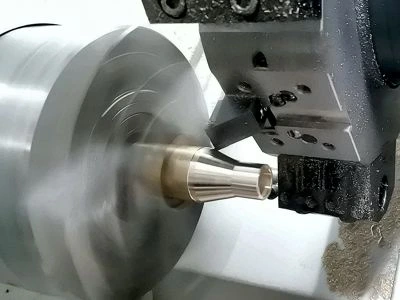
CNC Turning
Precision turning of cylindrical, conical, and profiled parts. The workpiece rotates while single-point cutting tools shape the outer diameter, face, grooves, and thread profiles. Ideal for shafts, bushings, fittings, and rotational components.
- Outer & inner diameter turning
- Facing & parting
- Grooving & undercutting
- Thread turning (external & internal)
- Knurling
Max ⌀ 250 mm · Tolerance ±0.01 mm · Threading M2–M80
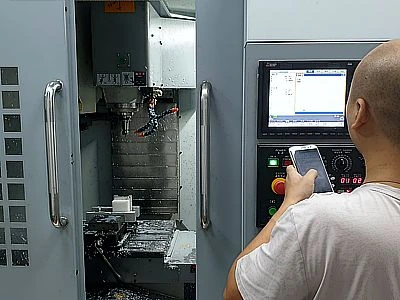
CNC Milling
3-axis and 4-axis milling of prismatic parts, pockets, slots, contours, and sculptured surfaces. Multi-axis capability reduces setups and eliminates tolerance stack-up on complex geometries. Milling parts up to 1.8 meters long.
- Face & peripheral milling
- Pocket & slot milling
- Profile & contour milling
- 3-axis & 4-axis simultaneous
- Boring (single-point)
Envelope 800×600×500 mm · ±0.02 mm · Min feature 0.5 mm
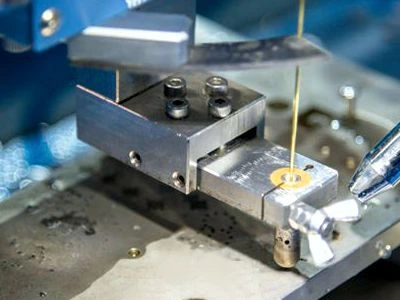
Additional Operations
Secondary and complementary machining operations performed on the same CNC machining centers or dedicated equipment, allowing us to complete parts in fewer setups and eliminating re-fixturing errors.
- Drilling (through & blind holes)
- Tapping (machine & roll-form)
- Reaming (precision hole sizing)
- Countersinking & counterboring
- Wire EDM (complex profiles)
Wire EDM Ra 0.8 μm · Reaming IT6 (H6) · Tapping M1.6–M64
50+ Machinable Materials
We stock and machine a broad range of metals and engineering plastics. Specialist alloys and polymers sourced on request. contact us with your material specification.
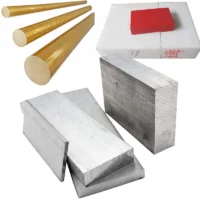
ALUMINUM ALLOYS
- 6061-T6 (general purpose)
- 7075-T6 (high strength)
- 2024-T3 (fatigue resistance)
- 5052-H32 (marine grade)
- 6063 (anodizing grade)
BRASS & COPPER
- Brass CW614N (free-cutting)
- Brass C360 (UNS)
- Phosphor Bronze C510
- Copper C110 / C101
- Aluminium Bronze C630
STEEL & STAINLESS
- Stainless 303 (free-machining)
- Stainless 304 / 304L
- Stainless 316 / 316L
- Carbon Steel 1018 / 1045
- Alloy Steel 4140 / 4340
SPECIALTY METALS
- Titanium Grade 2 (pure)
- Titanium Grade 5 (Ti-6Al-4V)
- Inconel 625 / 718
- Hastelloy C276
- Kovar / Invar alloys
ENGINEERING PLASTICS
- PEEK (high performance)
- Acetal / Delrin (POM)
- Nylon PA6 / PA66
- Polycarbonate (PC)
- PTFE (Teflon
MORE PLASTICS
- UHMWPE
- ABS (general purpose)
- PPS (high temperature)
- PVDF (chemical resistant)
- Garolite G10 / FR4
Surface Finishing
Surface finishing modifies the physical texture and geometry of a machined surface, improving appearance, removing machining marks, and achieving specific roughness values. No chemical layers are added in this stage.

Sandblasting
Uniform matte texture. Removes tool marks and machining lines. Ra 1.6–3.2 μm. Aluminium, steel.
Lapping
Ultra-flat sealing surfaces. Ra < 0.1 μm achievable. Valve faces, seal seats, precision shims.
Brushing
Directional satin finish. Consistent grain pattern. Ra 0.4–1.6 μm. Stainless steel and aluminium.
Honing
Cylinder bore finishing. Tight diameter tolerance and cross-hatch pattern. Ra 0.1–0.4 μm.
Polishing
Mirror or semi-mirror finish. Manual or vibratory. Ra 0.1–0.4 μm. All metals.
EDM Texturing
Spark erosion surface texture. Non-slip or decorative surfaces on hardened steel.
Grinding
Precision surface flatness & tight tolerance. Ra 0.2–0.8 μm. Steel and hardened components.
Tumbling / Deburring
Mass finishing. Removes burrs and sharp edges. Consistent edge break. Ra 0.8–1.6 μm.
Surface Treatment
Surface treatments apply a functional or protective coating through chemical or electrochemical processes, adding corrosion resistance, wear resistance, electrical properties, or colour. Managed through our qualified partner network under ISO 9001:2015.

Anodizing Type II
5–25 μm. Clear or colour. Corrosion & scratch resistance. Aluminium alloys. MIL-A-8625 Type II.
Zinc Plating
Clear, yellow, or black chromate passivation. 5–12 μm. Steel fasteners, brackets, hardware.
Electropolishing
Electrolytic removal of surface layer. Mirror finish on stainless. Removes micro-burrs and improves Ra.
Hard Anodizing
Type III, 25–75 μm. Extreme hardness (60–70 HRC equiv). Wear surfaces. MIL-A-8625 Type III.
Passivation
ASTM A967. Removes free iron from stainless steel surface. Maximises corrosion resistance.
Phosphating
Zinc or manganese phosphate. 5–10 μm. Paint adhesion primer or oil-retaining anti-corrosion layer on steel.
Powder Coating
Durable polymer coat, 60–100 μm. Any RAL/Pantone colour. Steel, aluminium, cast parts.
Black Oxide
1–2 μm. Decorative black finish on steel. Mild corrosion protection. Preserves tight tolerances.
PVD Coating
Physical vapour deposition. TiN, TiAlN, DLC. Extreme hardness and low friction on cutting tools and wear parts.
Nickel Plating
Electroless (5–25 μm) or electrolytic. Uniform coverage including blind holes. Corrosion & wear.
Chrome Plating
Decorative or hard chrome. Wear, corrosion and reflectivity. RoHS-compliant alternatives available.
PTFE / Teflon Coat
Non-stick, low friction, chemical resistant. 15–25 μm. Food contact and chemical handling components.
Tolerances & Specifications
Reference tolerances for our standard CNC machining processes. Tighter tolerances are achievable on specific features. Discuss your critical dimensions at quotation stage.

| Operation / Feature | Standard | Achievable |
|---|---|---|
| CNC Turning | ||
| Diameter tolerance | ±0.01 mm | ±0.005 mm |
| Length / axial tolerance | ±0.05 mm | ±0.02 mm |
| Concentricity | 0.02 mm | 0.005 mm |
| Surface roughness Ra | 1.6 μm | 0.4 μm |
| CNC Milling | ||
| Linear dimension | ±0.02 mm | ±0.01 mm |
| Positional accuracy | ±0.05 mm | ±0.02 mm |
| Flatness | 0.05 mm | 0.01 mm |
| Parallelism / squareness | 0.05 mm | 0.02 mm |
| Surface roughness Ra | 1.6 μm | 0.8 μm |
| Holes — Drilling, Reaming & Tapping | ||
| Drilled hole diameter | H10 / ±0.1 mm | H8 |
| Reamed hole diameter | H7 | H6 |
| Thread tolerance class | 6H (nut) | 5H |
| Min hole diameter | 0.5 mm | — |
| Wire EDM | ||
| Profile tolerance | ±0.01 mm | ±0.005 mm |
| Surface roughness Ra | 0.8 μm | 0.2 μm |
| Corner radius (min) | 0.15 mm | 0.05 mm |
| General Capability | Specification |
|---|---|
| Max turning diameter | 250 mm |
| Max milling envelope | 800 × 600 × 500 mm |
| Min wall thickness (metal) | 0.5 mm |
| Min wall thickness (plastic) | 1.0 mm |
| Materials available | 50+ |
| Prototype lead time | 3–5 business days |
| Production lead time | 5–10 business days |
| Min. order quantity | 1 piece |
| Quote turnaround | Within 48 hours |
Our Process
From your first inquiry to final delivery, we manage every step — tooling, production, inspection, and shipping.
Why Choose Davantech For CNC Machining
What sets Davantech apart from a generic CNC supplier. Engineering support, integrated manufacturing, and documented quality at every step.
Parts produced directly from your CAD files — no mold or die investment. Ideal for prototypes, low volumes, and complex geometries. Unless extrusion, die casting or forging for large volume manufacturing.
CNC machining, surface finishing, and surface treatment managed together under one ISO quality system. One order, one inspection report, one shipment.
Our engineers flag tolerance stack issues, thin walls, difficult-to-machine features, and finishing compatibility before production starts.
CNC-machined inserts and components feed directly into our insert molding and product assembly lines. One supplier for your complete manufacturing chain.
Every order supported by first article inspection data, CMM reports, and dimensional inspection records. Material declarations and third-party testing (XRF) available on request.
Direct factory pricing with no trading company markup. Transparent cost breakdowns in every quotation, including finishing and treatment costs.

Applications & Industries
Davantech’s CNC-machined parts are used in demanding sectors worldwide. Wherever dimensional accuracy, material integrity, and surface quality are non-negotiable.
AUTOMOTIVE
- Sensor housings & connectors
- Hydraulic & pneumatic fittings
- Precision shafts & bushings
- Hard-anodized actuator part
MEDICAL
- Surgical instrument bodies
- Titanium implant components
- Passivated stainless parts
- Fluid handling fittings
ELECTRONICS
- Electronic Housings
- Anodized heat sinks
- Nickel-plated EMC shields
- PCB spacers & standoffs
AEROSPACE & DEFENCE
- Aluminium structural brackets
- Titanium fasteners & inserts
- Wire-EDM profile parts
- Precision manifold bodies
INDUSTRIAL EQUIPMENT
- Valve bodies & fittings
- Precision gears & shafts
- Ground & lapped seal faces
- Pump & compressor parts
CONSUMER PRODUCTS
- RF connector components
- Antenna mounting hardware
- Zinc-plated steel enclosures
- IoT sensor probe bodies
Our Equipment
In our 5000+ sqm factory, we have a range of machines enabling us to make a variety of plastic and metal components.
- 60+ 3-axis and 4 axis CNC milling centers type LV850
- 1 CNC milling machines for parts up to 1.8 meters long
- 4 CNC turning machines
- EDM & Wire-Cut Machines
- Conventional Drilling and milling machines
- 2 robots for automatic loading and unloading of parts into 2 CNC machines each


Built-In Quality
Every part verified against your drawing before shipment. Our ISO 9001:2015 QMS governs every step from incoming material to outgoing inspection.
Why Choose Davantech over Other CNC Factories in China?
There are thousands of CNC machining factories in China. Here is what makes Davantech different.
European Management On-Site
Belgian engineering leadership manages production daily. English-speaking and aligned with Western OEM standards.
ISO 9001:2015 Certified QC
Documented quality management system across all CNC processes. Measurement reports available on every order.
Transparent Pricing
No hidden costs, no surprise invoices. The price in your quote is the price you pay.
Direct Factory Communication
No agents, no middlemen. You speak directly with the engineers and production team managing your order.
Western OEM Experience
15+ years supplying European and North American OEMs. We understand your drawings, your tolerances, and your expectations.
IP Protection
All files treated as strictly confidential. NDAs signed on request. Your designs never leave our controlled production environment.
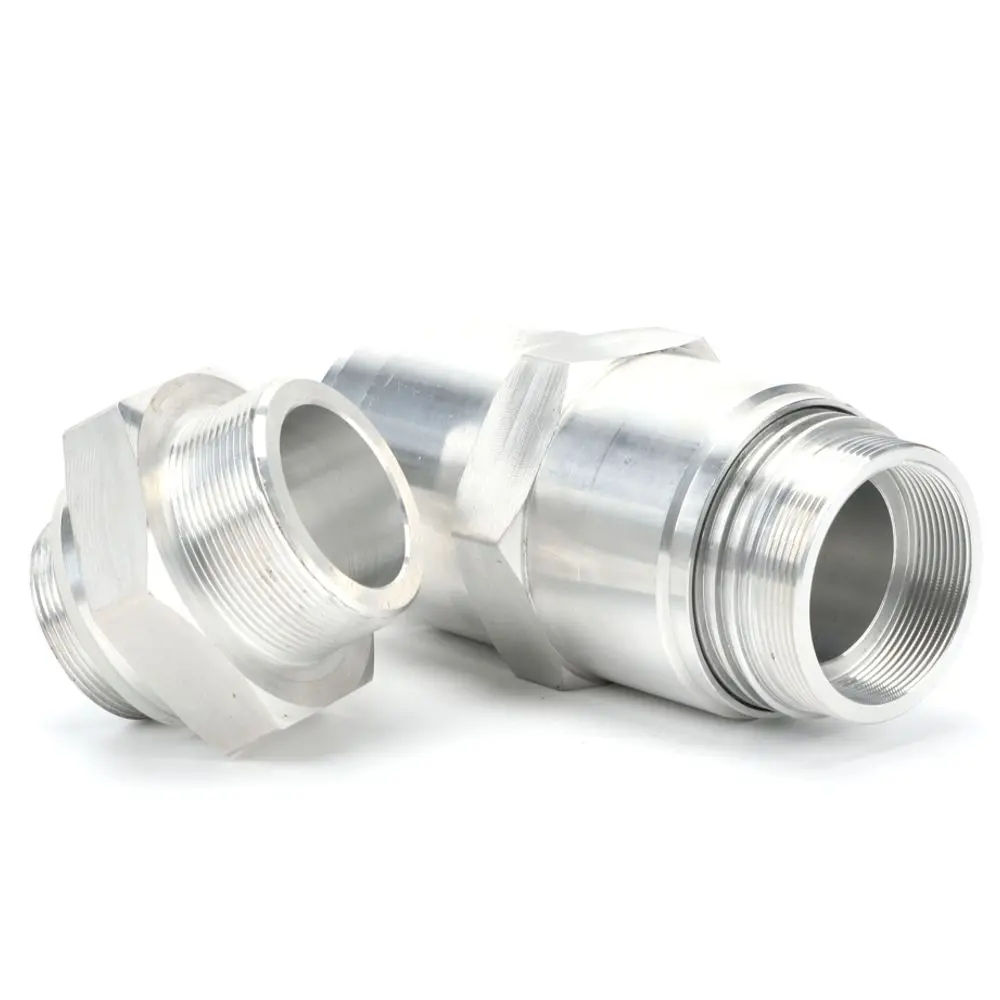
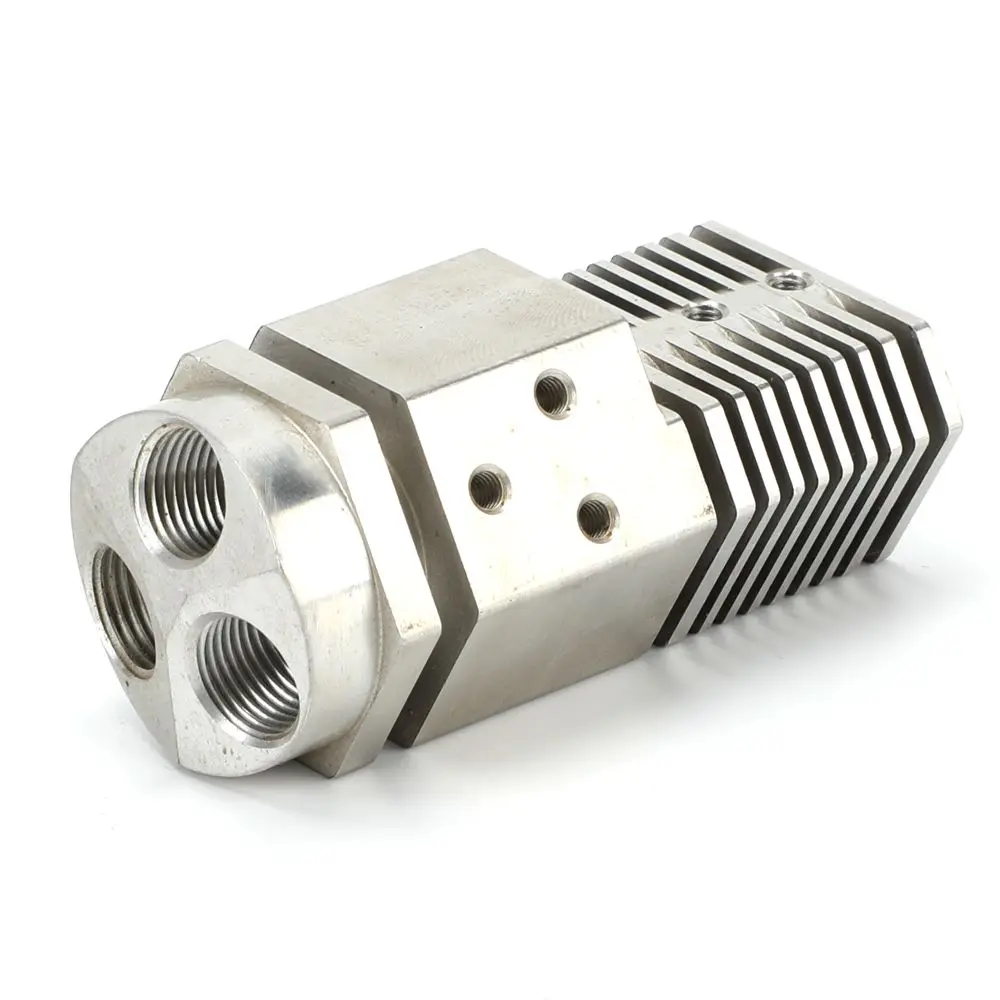
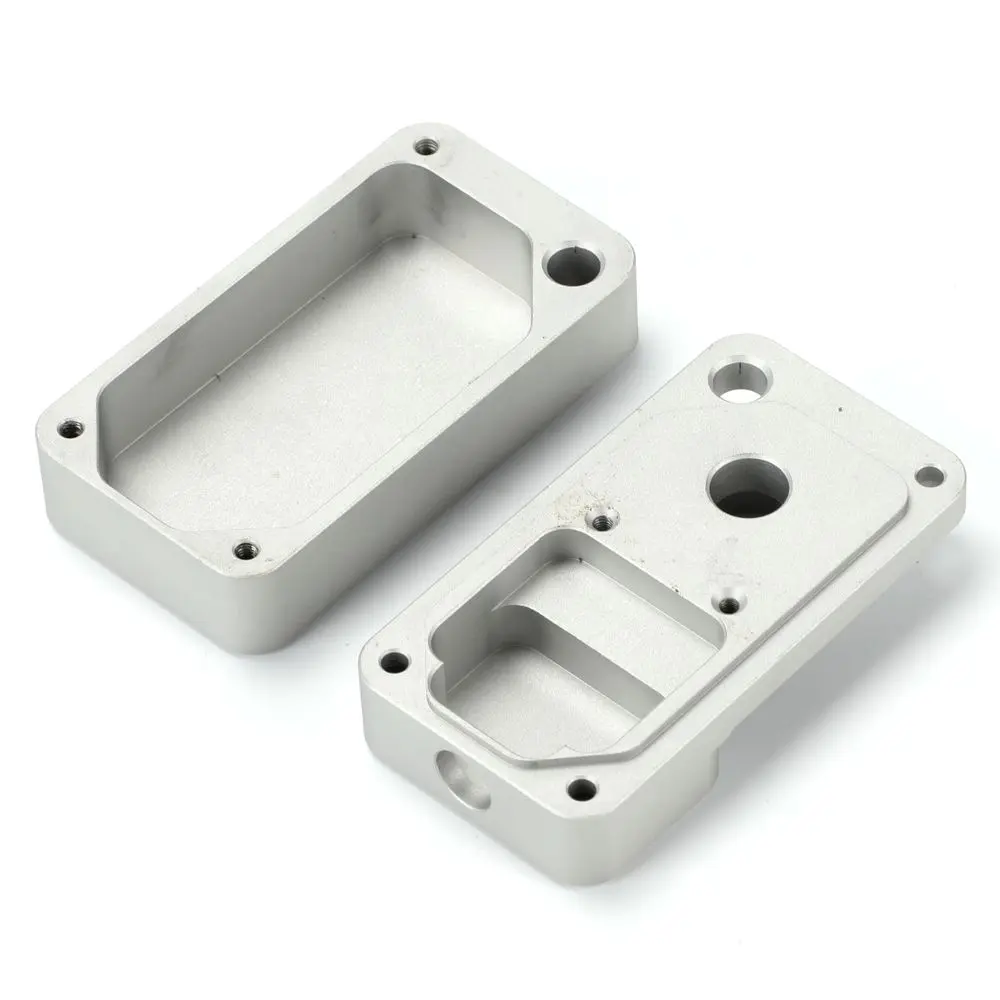
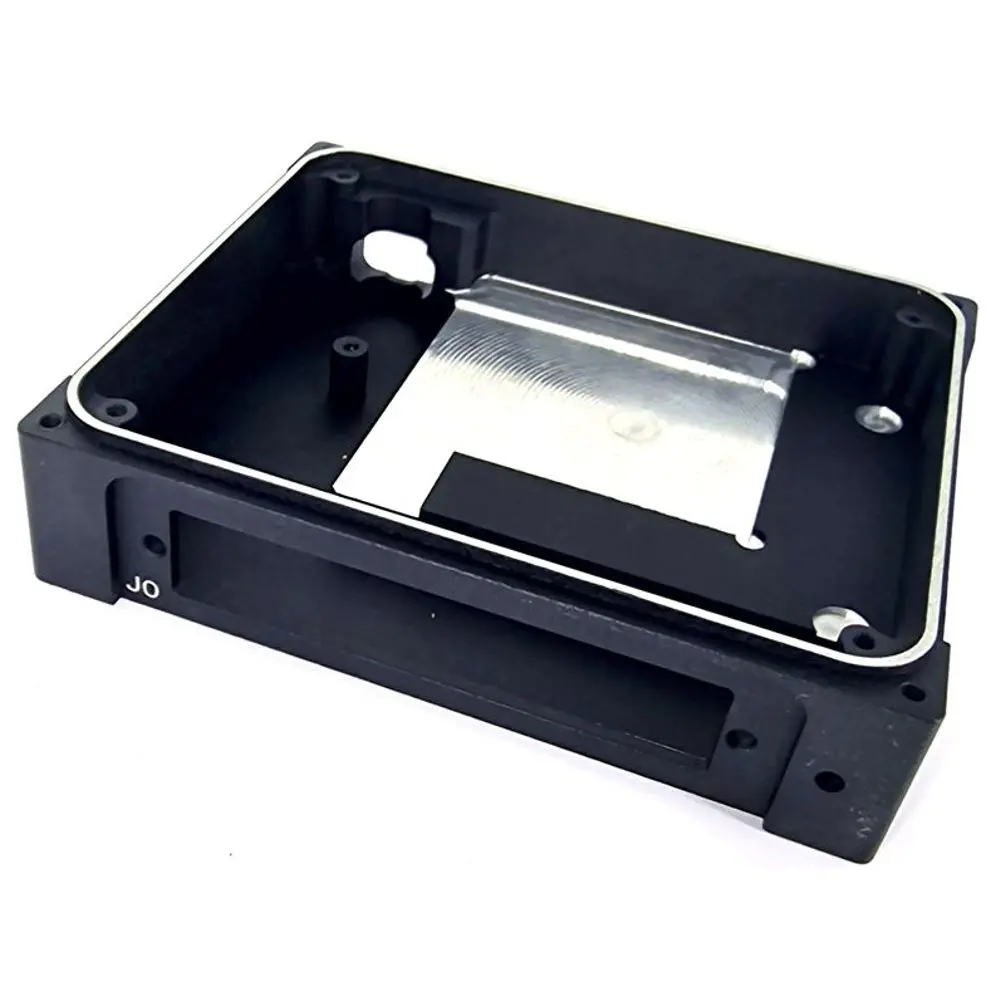
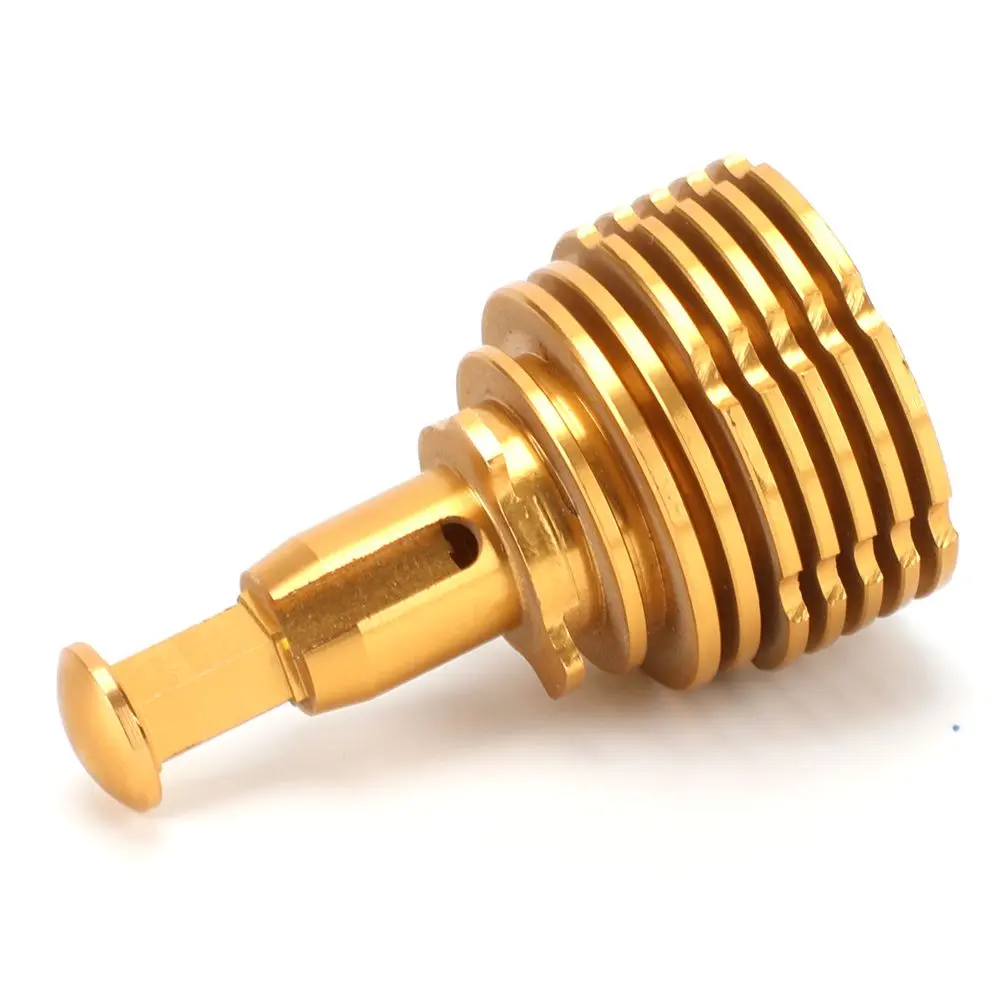
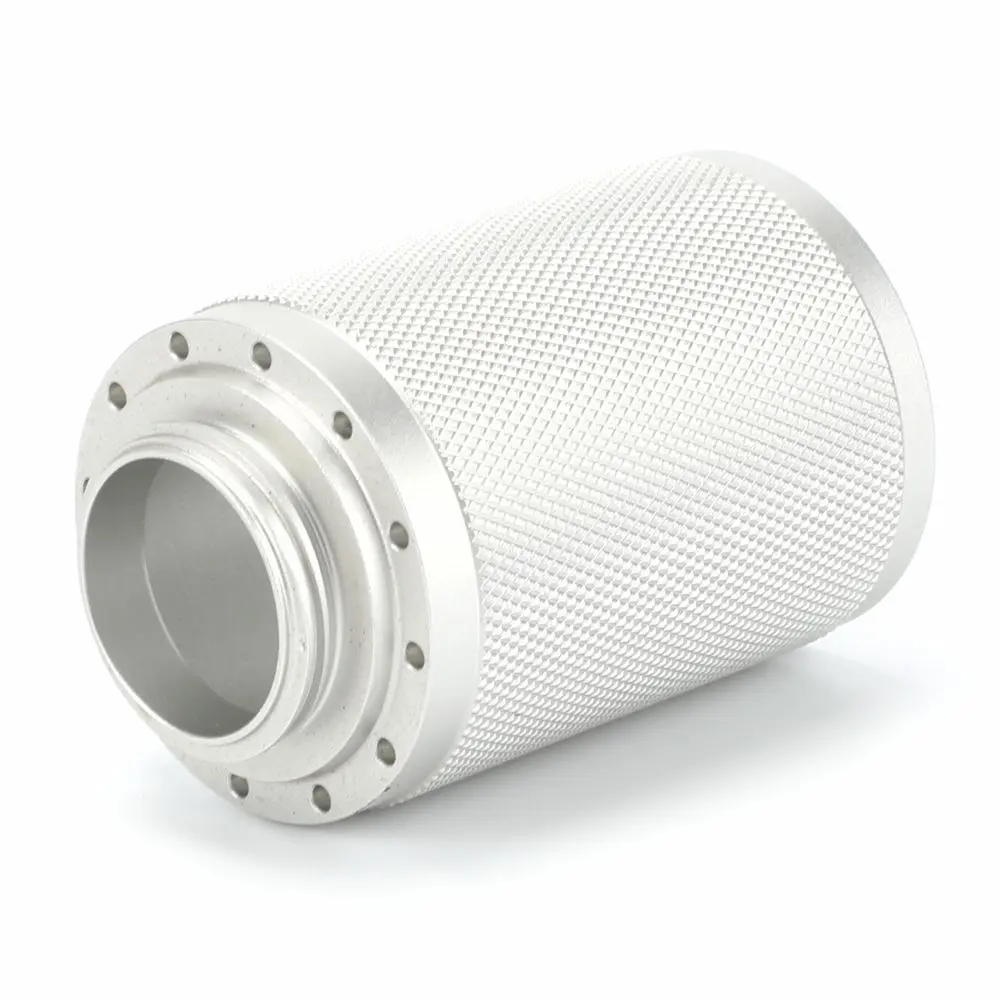
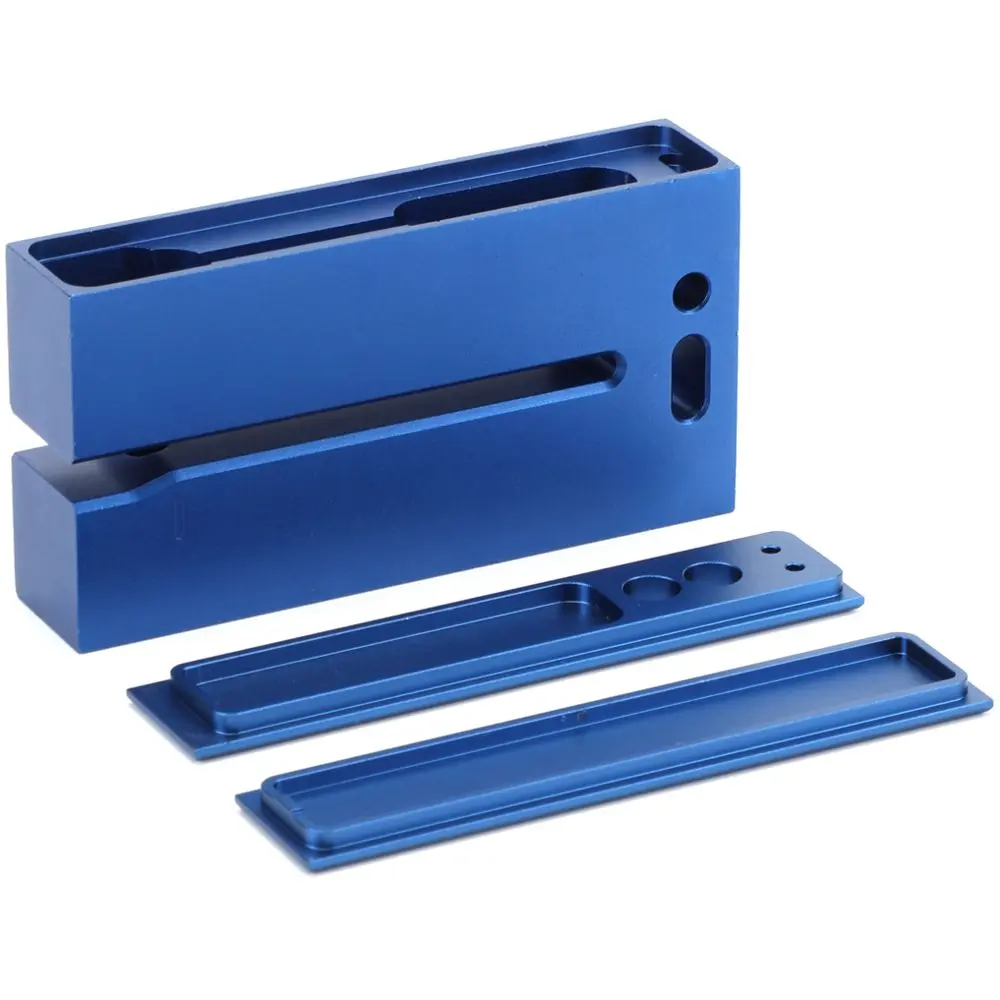
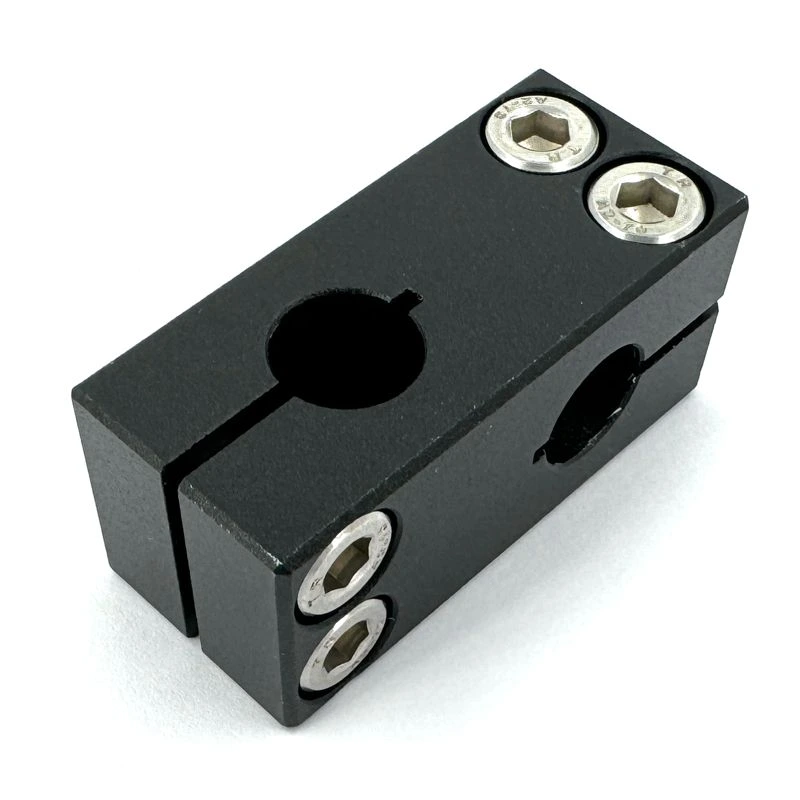
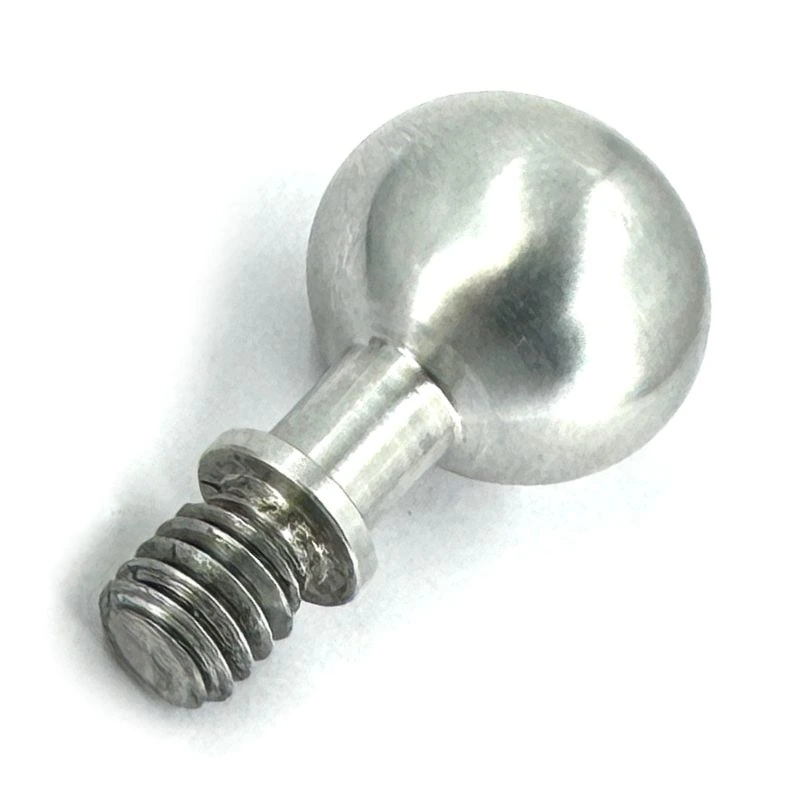
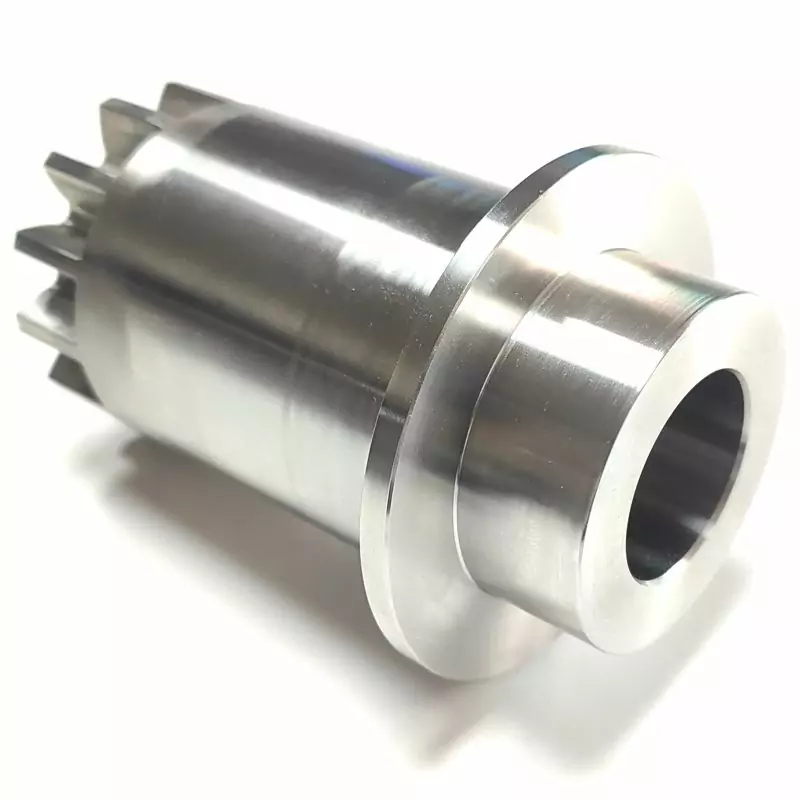
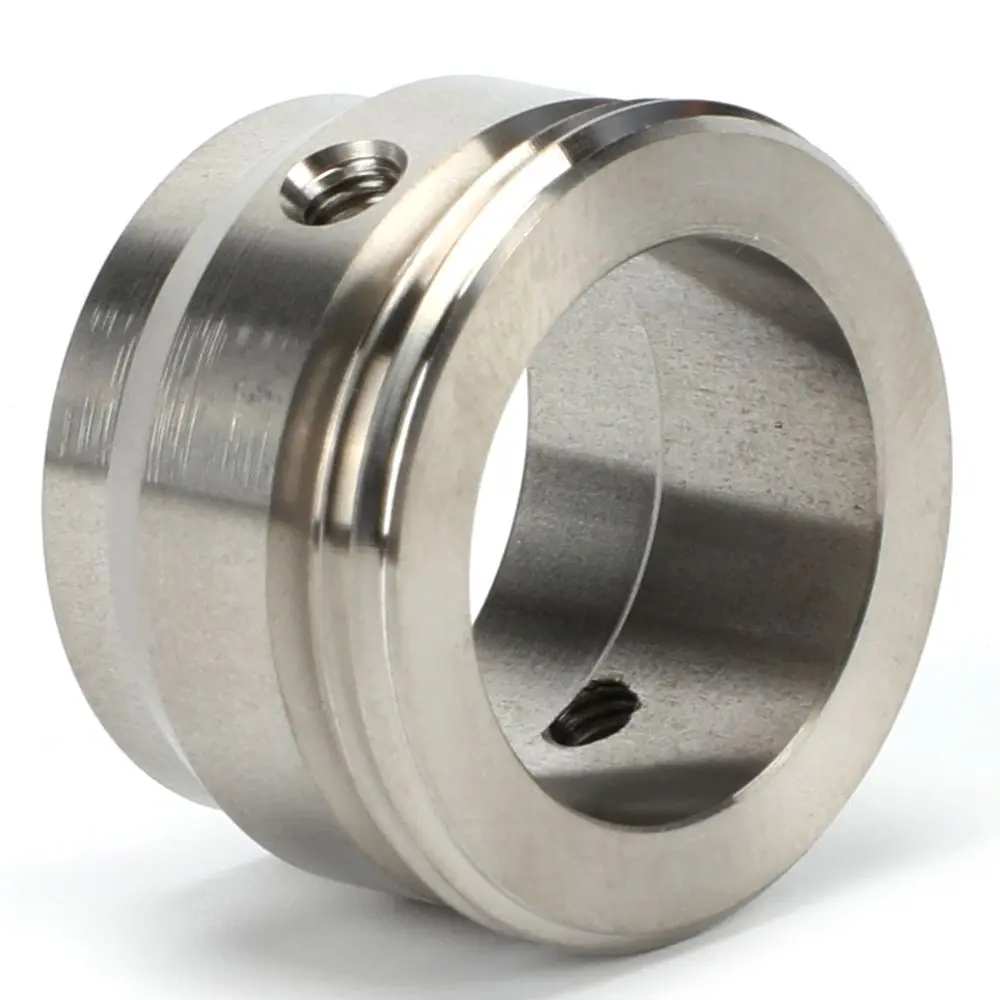
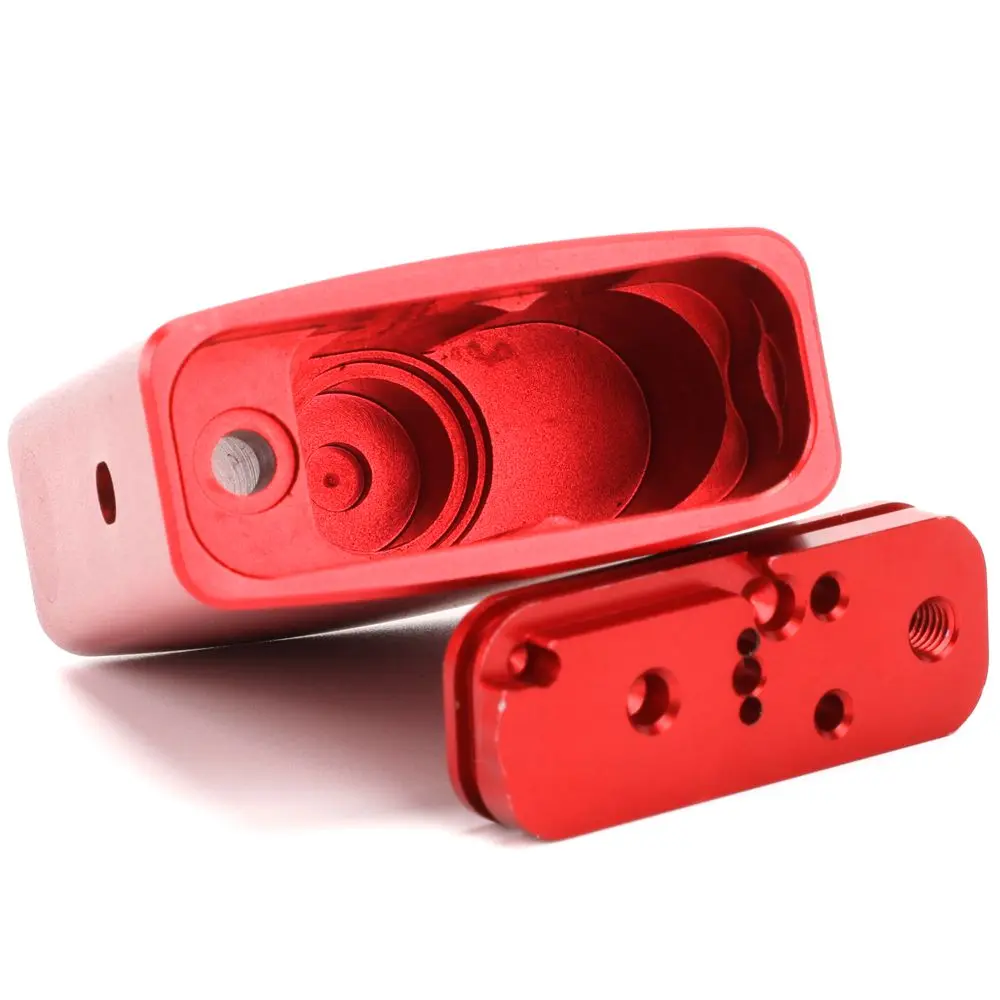
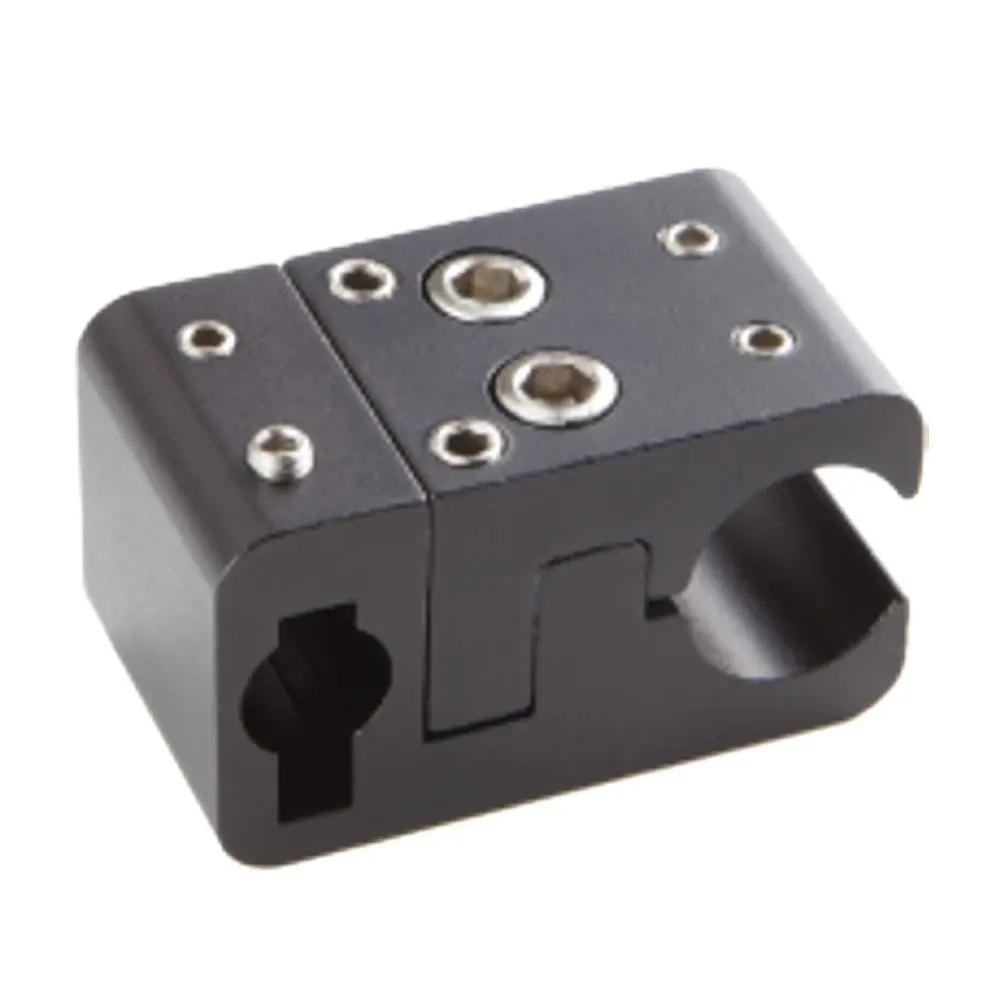
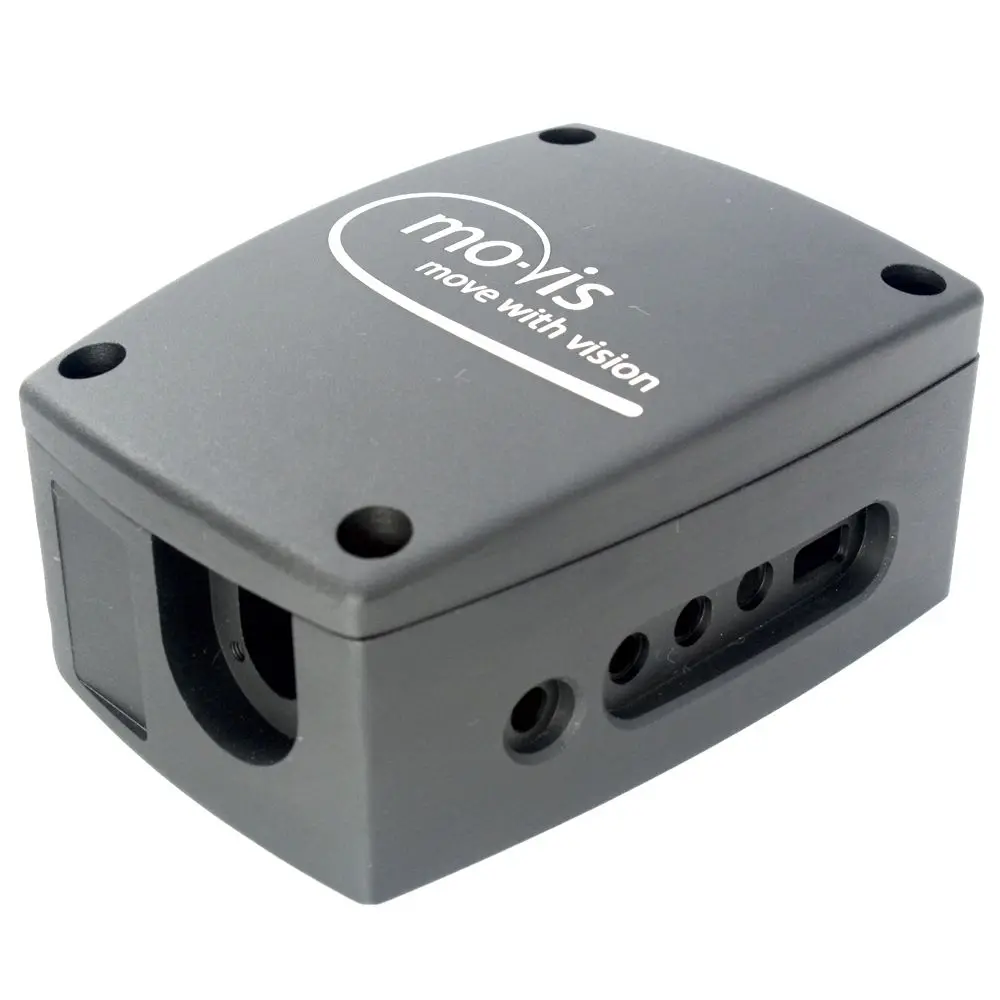
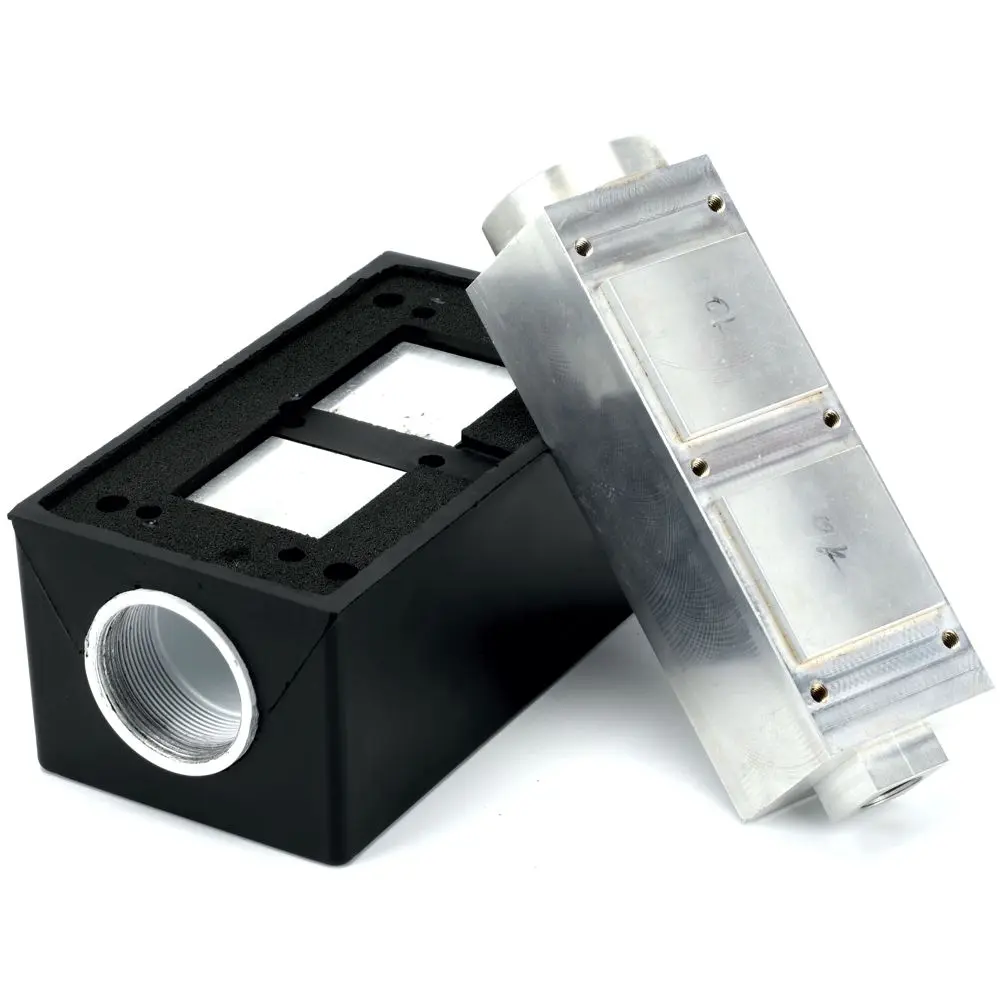
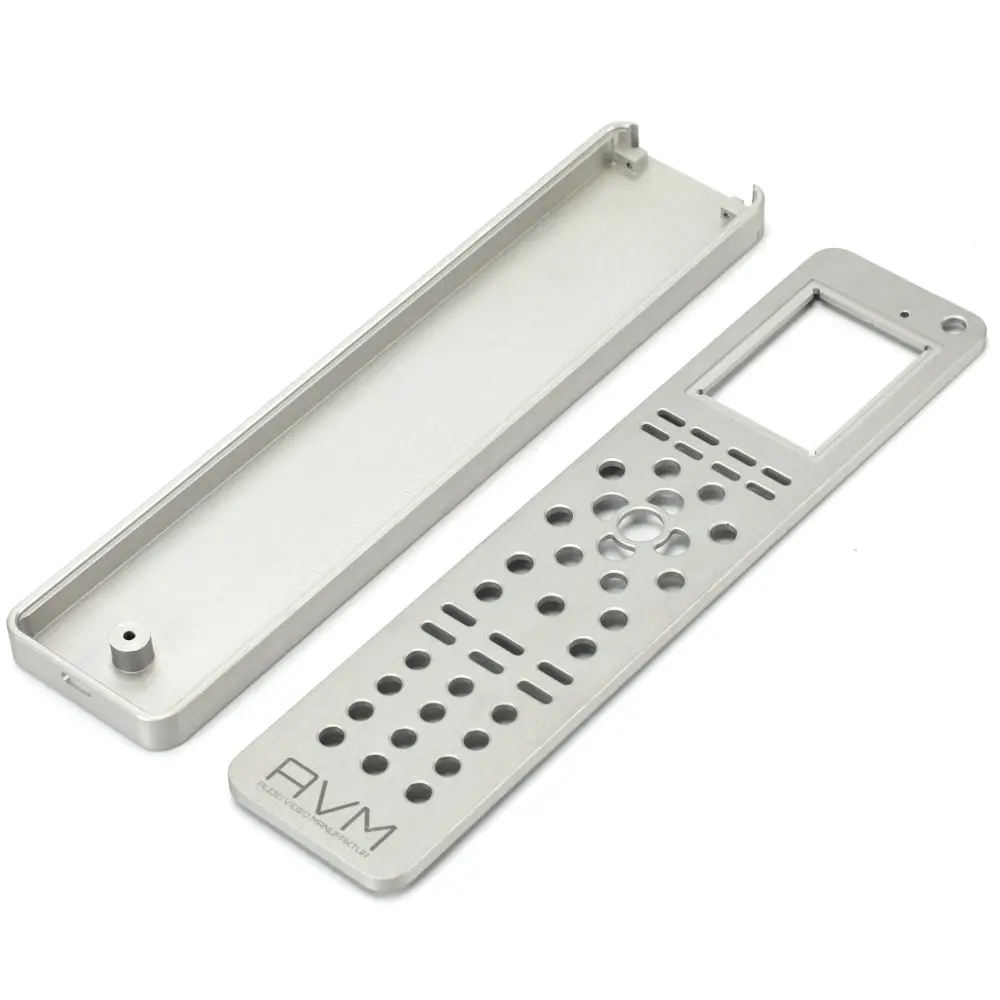
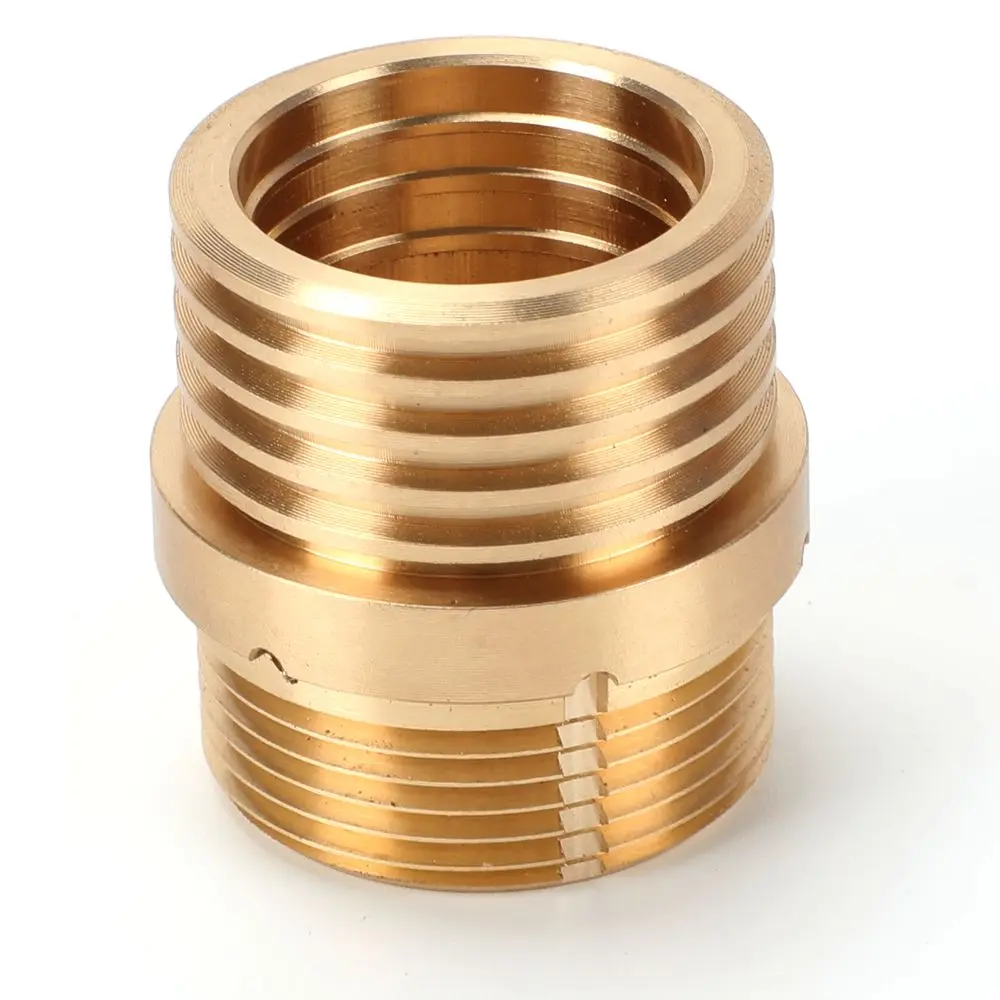
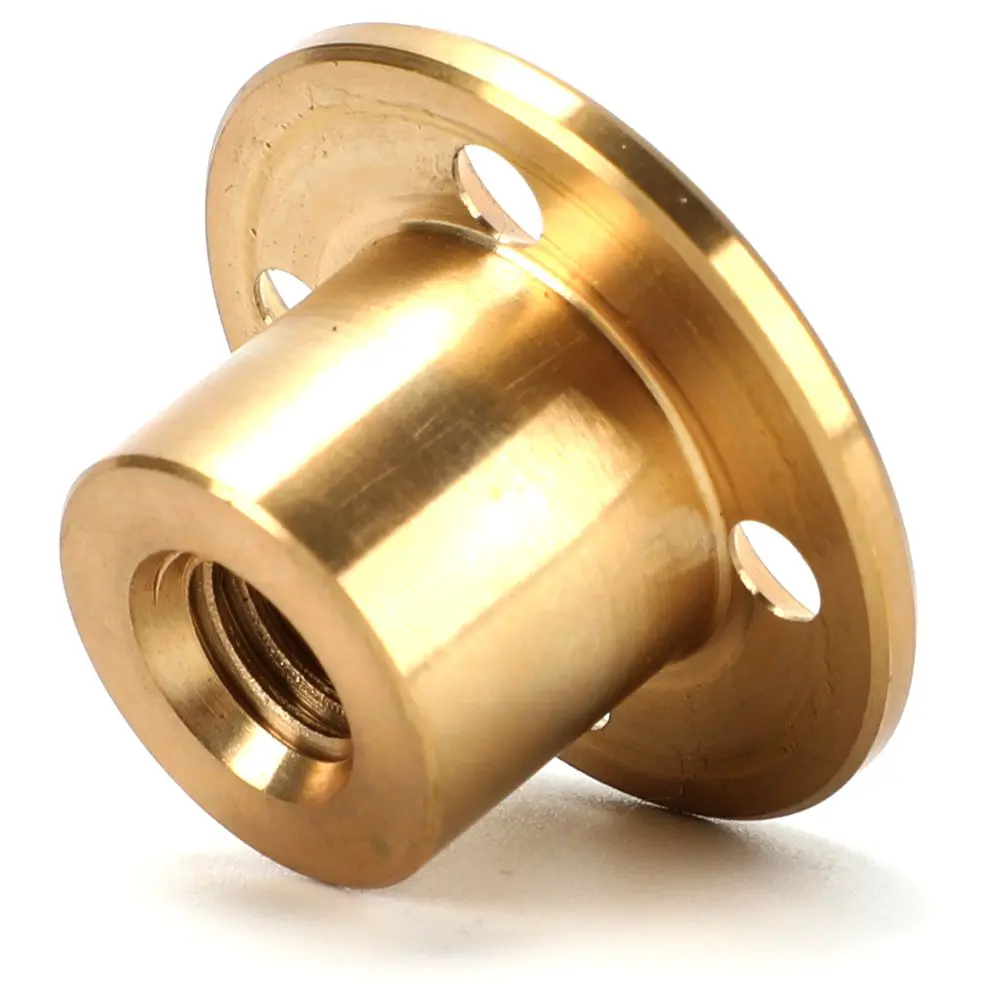
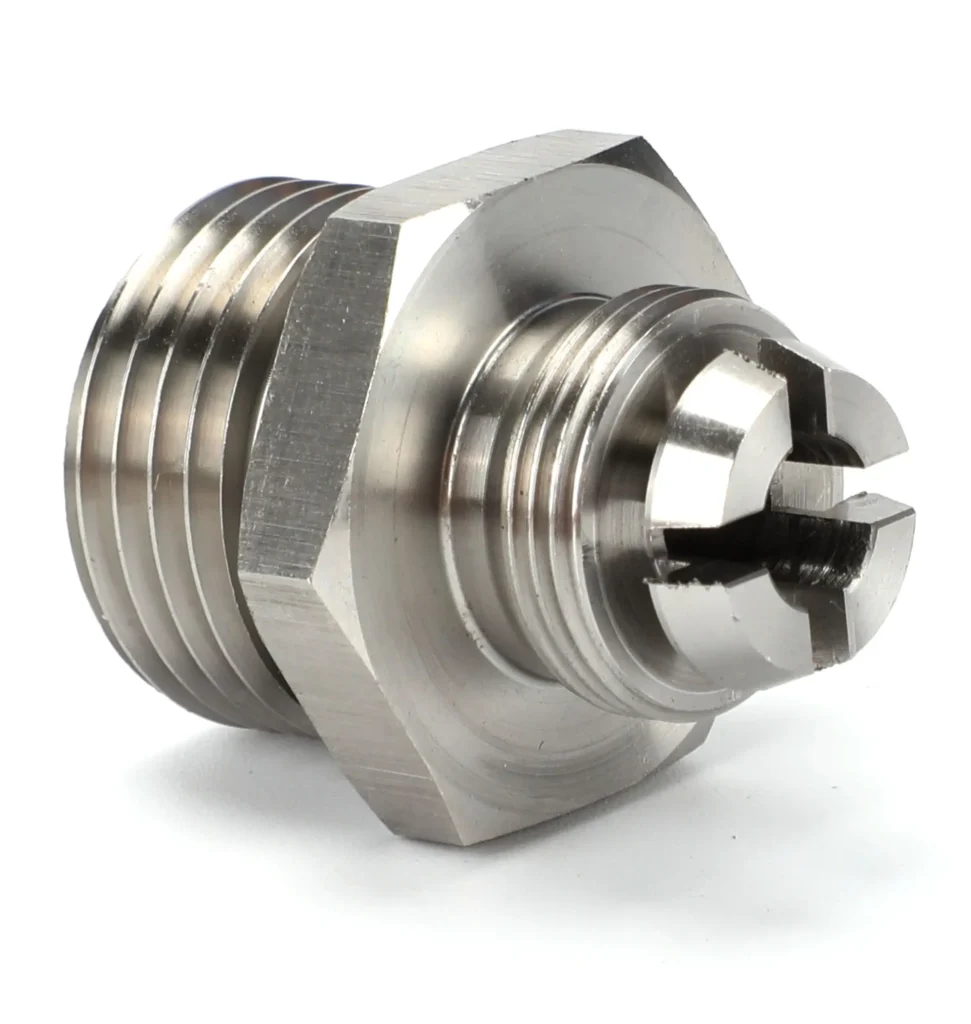
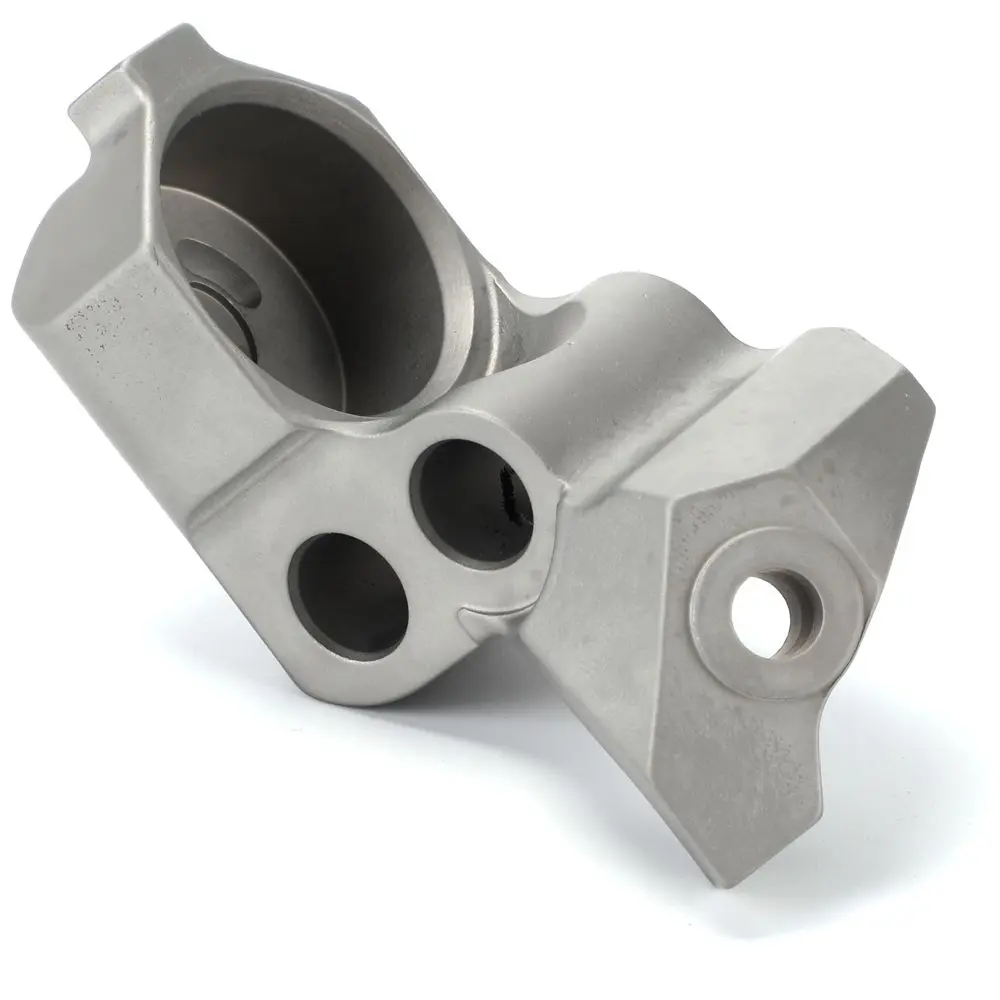
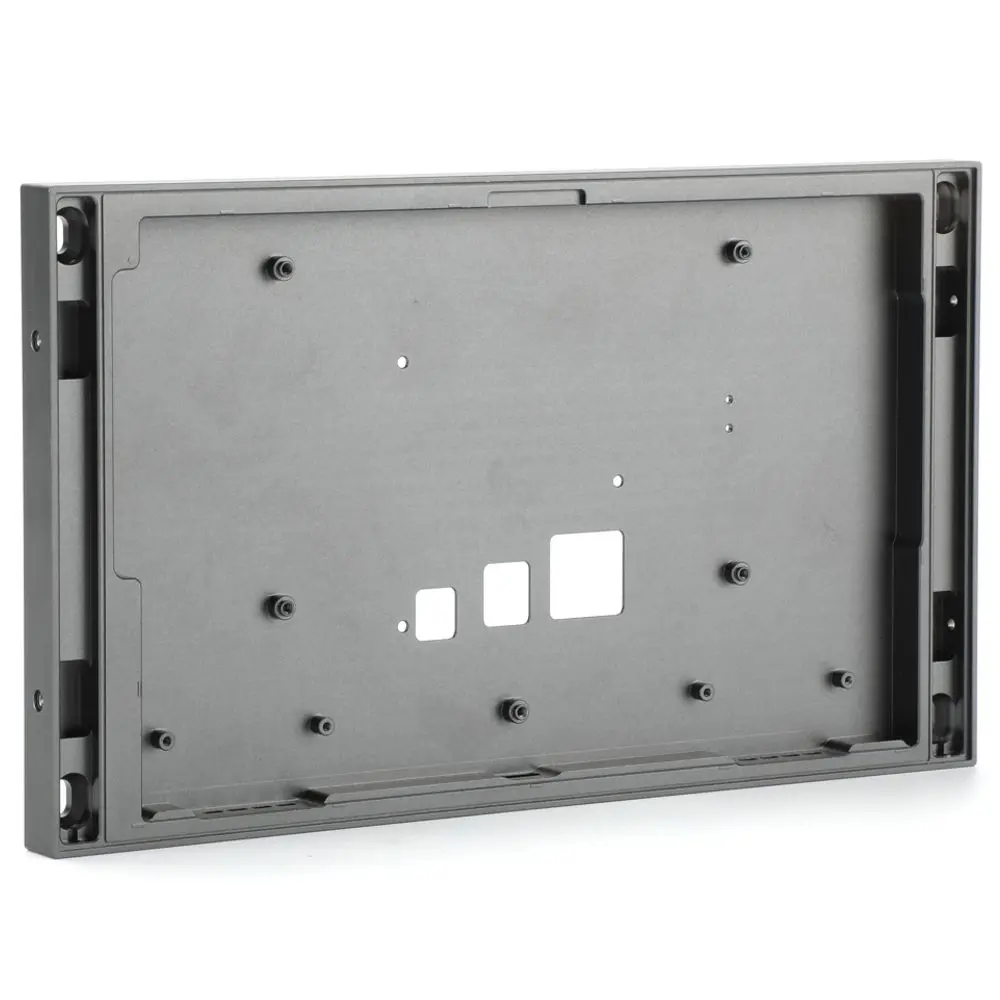
Parts we Machined at Davantech





Who We Are Best Suited For
We are not trying to be everything to everyone. Here is an honest overview of where Davantech delivers the most value — and where we are probably not the right fit.
Ideal for
✔ OEMs needing precision CNC machined parts
✔ Low- to mid-volume production runs
✔ Tight tolerance requirements (±0.01 mm and below)
✔ Electronics, industrial, and medical applications
✔ Companies that want direct factory communication
Not ideal for
X Ultra-high-volume commodity parts
X Extremely low-cost, low-precision jobs
Frequently Asked Questions
What CNC machining services do you offer?
We provide precision CNC machining services including CNC milling, CNC turning, drilling, tapping, and EDM/wire cutting (as applicable). We support prototypes, low-volume production, and repeat manufacturing.
What tolerances can you achieve?
Tolerance capability depends on material, geometry, and feature accessibility. For many precision parts we can achieve tight tolerances (e.g., down to ±0.005 mm on qualifying features) with inspection support. Share your drawing requirements for confirmation.
What is the difference between CNC milling and CNC turning?
CNC milling uses rotating cutting tools to remove material and is ideal for complex shapes, pockets, and flat surfaces. CNC turning rotates the workpiece on a lathe and is best for cylindrical parts like shafts, bushings, and threaded components.
What materials can you machine?
Common machinable materials include aluminum (e.g., 6061/7075), stainless steel (e.g., 304/316), carbon steel, brass, copper, titanium, and engineering plastics such as ABS, POM (Delrin), nylon, PTFE, and polycarbonate. We can recommend materials based on strength, corrosion resistance, weight, and cost targets.
Do you support prototypes and low-volume production?
Yes. We support rapid CNC prototyping for design validation and low-volume production for bridge manufacturing, pilot runs, and custom builds.
What file formats do you accept for quoting and manufacturing?
Preferred formats are STEP (.step/.stp) and IGES (.igs/.iges). We can also work with many standard CAD exports. Include 2D drawings (PDF) when tolerances, threads, GD&T, and critical notes are important.
How fast can I get a quote?
In many cases, quotes are returned within 24 hours on business days once we receive your CAD files and drawings. Complex assemblies or special requirements may take longer.
Do you offer surface finishing and post-processing?
Yes. Common options include anodizing, powder coating, plating, sandblasting, polishing, heat treatment, and passivation (availability may vary). Tell us your functional and cosmetic requirements and we'll recommend the best finish.
How do you ensure quality?
We use documented inspection processes and measurement equipment (e.g., calipers, micrometers, gauges, and CMM where applicable), and can provide inspection reports when required. Share your quality requirements (ISO, material certs, FAI, etc.) during quoting.
What information should I include when requesting a CNC machining quote?
To quote accurately, include: CAD model, 2D drawing with tolerances/GD&T, material, quantity, surface finish, critical dimensions, and target delivery date. If you need DFM feedback, mention the part's function and mating features.
Ready to Start Your CNC Machining Project?
Send us your drawings and 3D files or describe your requirements with enough detailed information. We’ll respond with a free DFM review and competitive quote within 48 hours. Production from 1 – 5000+ pieces.