
IP68 Waterproof Cable Overmolding
We make custom overmolded cable and connector assemblies in Dongguan, China. A molded seal helps protect the cable entry. If your project specifies IP67 or IP68, send us your drawings and tell us how the assembly will be installed and used so we can review the sealing design and agree how to verify it.
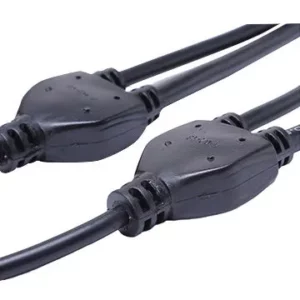
Waterproof overmolded assemblies
Overmolding can create a seal around the transition from the cable jacket to the connector or housing. The seal depends on the material bond, the shape of the sealing surfaces and the installed configuration. Typical assemblies we produce:
- Sealed connector-to-cable assembliesFor outdoor and wet environments.
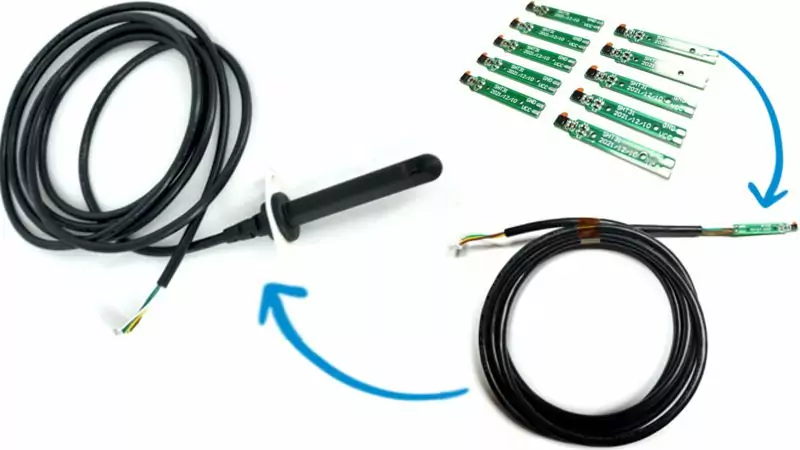
- Overmolded sensor cables and probesSealed transitions on measurement and control cables.
- Waterproof LED and lighting connector cablesSealed power and signal for outdoor lighting.
- Industrial, automotive and marine cablesSignal and power assemblies for harsh environments.
- Custom cable-to-housing entriesA molded seal that replaces a separate cable gland.
IP67 vs IP68: which do you need?
Both ratings use the dust-tight classification. IP67 covers temporary immersion under standardized conditions. For IP68, agree the immersion depth and duration for the finished assembly under conditions more severe than IP67. Specify any water jet or washdown requirement separately.
Project-specific conditions
TPE and TPU
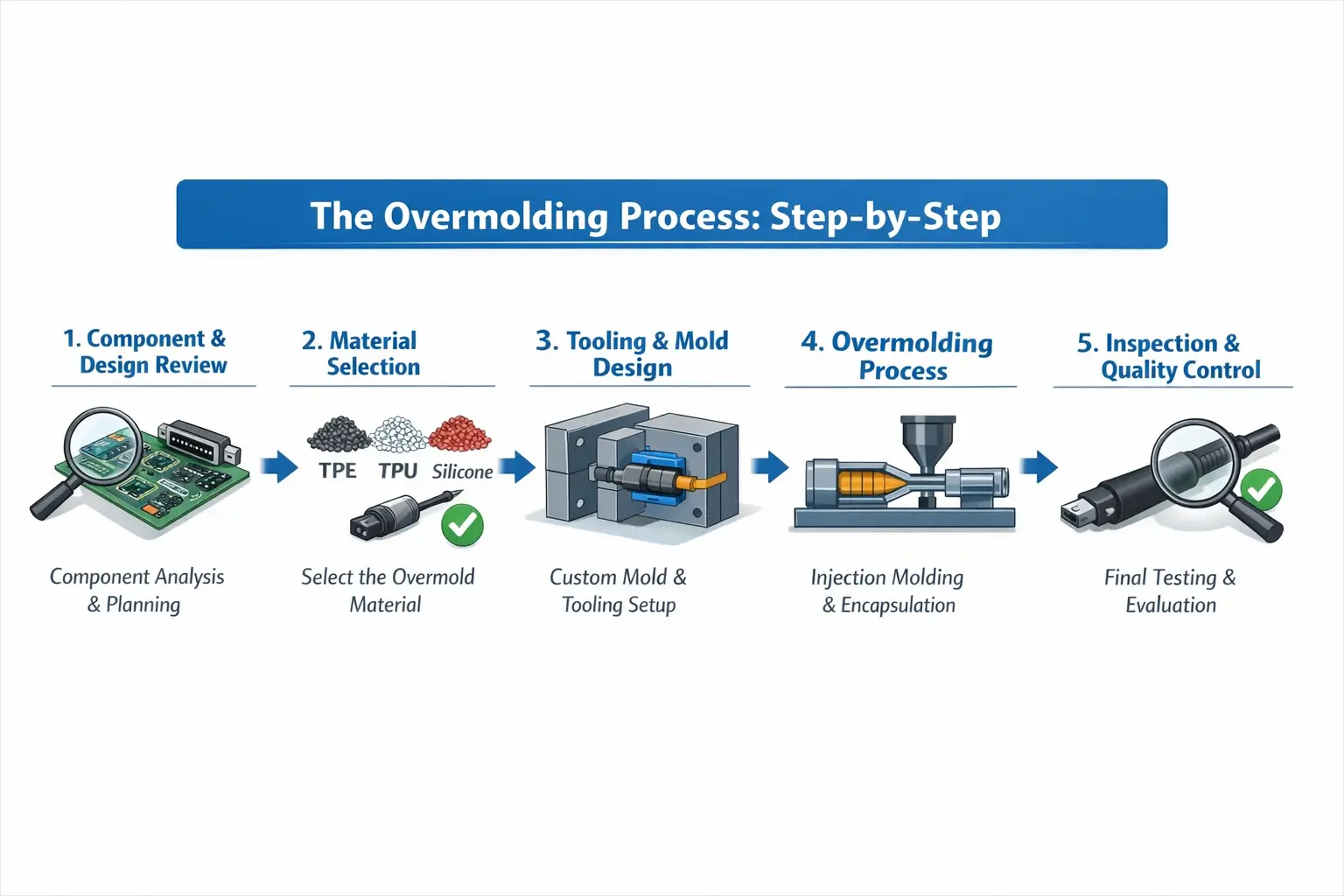
We select the overmold material to match your cable jacket, connector body and environment so the molded seal bonds properly and stays flexible in service. Material and hardness are chosen per application; see our TPE vs TPU comparison for detail.
- FlexibilityHigh
- Chemical & weatherGood
- Strain reliefStrong
- CostCost-effective
- Abrasion & tearHigh
- Oil resistanceHigh
- ToughnessHigh
- Best forIndustrial, automotive, outdoor
Molded seal vs glands and heat-shrink
A molded seal can suit a permanent cable entry in repeat production. A gland can suit an entry that needs to be serviced.
| Sealing method | What the seal depends on | Strain relief | Best for |
|---|---|---|---|
| Overmolding (molded seal) | Material bond and fit | Built into the molded body | Volume production, permanent sealed assemblies |
| Cable glands | Correct installation and torque | Limited | Field-serviceable panel entries |
| Heat-shrink and epoxy | Overlap and adhesion | Low to moderate | Prototypes and low-volume repairs |
How we plan seal verification
We review how the assembly will be used, then agree on the sealing design and what the finished assembly needs to pass. Our quality management system follows ISO 9001:2015.
Low and medium volume, custom to your parts
We build to your connector, your cable and your rating, whether you supply the components or ask us to source them. Custom tooling makes short and medium production runs practical, and design-for-manufacturing feedback is included so the first parts are right.
Waterproof overmolding questions
Can you match my existing connector?
Yes. Send the connector part number, a sample or a drawing and we design the overmold around it. If you do not have a connector selected, we help choose one that suits your sealing and electrical needs.
What is the minimum order quantity?
We handle low and medium volume runs. Tell us your annual and per-batch quantities in the quote request and we confirm the most economical tooling and run size for your case.
What lead time should I expect?
Lead time depends on tooling and volume. New tooling adds time up front, after which production runs are fast. We give a firm timeline with your quote.
How do you verify the IP rating?
We agree the test configuration and acceptance criteria for your finished assembly. If the project specifies IP67 or IP68, verification follows the applicable ingress tests under IEC 60529. For IP68, we agree the immersion depth and duration. A production pressure or leak check can be agreed separately.
Which overmold material will you use?
TPE or TPU, selected to bond with your cable jacket and connector and to survive your environment. We recommend the material and hardness during design review.
Request a Quote
Ask a Question