
What Is Insert Molding?
Insert molding is a manufacturing process used to combine plastic with pre-formed components such as metal contacts, threaded bushings, pins, magnets, terminals, or electronic parts. The insert is positioned inside the mold, and thermoplastic resin is injected around it under pressure. After cooling, the plastic part and insert become one integrated component.
Compared with post-molding assembly, insert molding offers several important advantages:
Dimensional measurement data, CMM reports, and material certificates included on request.
How it works:
Metal contacts, threaded inserts, or PCBs are cleaned, inspected, and loaded into the mold cavity.
The mold closes around the insert; molten thermoplastic is injected at controlled pressure and temperature.
Plastic cools and solidifies, creating a mechanical lock around the insert geometry.
Parts are ejected and verified against your dimensional and functional requirements.
This makes insert molding services ideal for electrical connectors, fastening points in plastic housings, and sealed electronic assemblies.
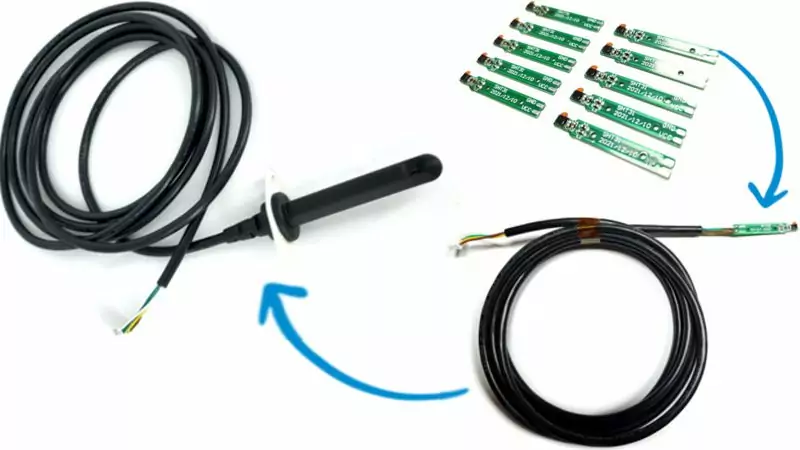
Core Services
Our Insert Molding Capabilities
We specialise in three primary insert molding applications for electronics, industrial, and consumer product manufacturers worldwide.
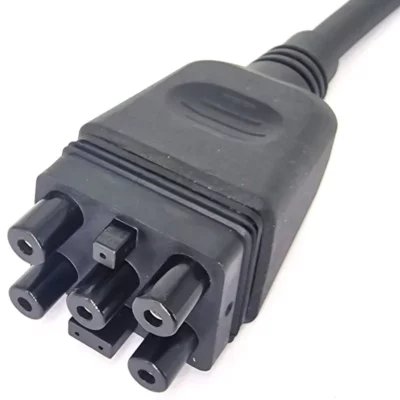
Connectors with Metal Contacts
Custom electrical connectors manufactured by overmolding metal contacts, pins, and terminals into precision plastic housings. Ensures accurate contact positioning, reliable retention force, and excellent insulation properties.
Multi-pin arrays · Signal & power connectors · Custom terminal blocks
Why Insert Molding Is Used for Connectors
Precise contact positioning
The mold fixes each contact in the required position during injection.
Permanent retention
The injected plastic flows around barbs, flanges, knurls, or undercuts on the contact, creating a strong mechanical fixation.
Reduced assembly steps
Because the contacts are molded directly into the connector housing, there is no separate insertion process after molding. This reduces labor and assembly variation.
Electrical insulation
The thermoplastic housing provides controlled spacing and electrical isolation between adjacent contacts.
Scalability for production
Insert molding is highly repeatable and suitable for both medium-volume and high-volume connector manufacturing.

Threaded Inserts in Plastic
Brass, stainless steel, or aluminum threaded inserts molded directly into plastic components for strong, reusable screw threads. Eliminates thread stripping, ideal for enclosures, brackets, and assemblies requiring repeated disassembly.
Inside and outside threaded inserts for solid screw fixation
Why Use Insert Molded Threaded Inserts?
Higher thread strength
Metal threads provide better resistance to stripping than plastic threads.
Reliable fastening
Insert molded threaded inserts are designed to resist pull-out and rotation.
Improved durability
They are suitable for repeated assembly and disassembly.
Reduced risk compared with secondary installation
Because the insert is molded in place, there is no later press-fit or heat-set operation that could damage the part or create variation.
Optimized part design
Insert molding can allow thinner walls around fastening points because the insert is integrated during molding rather than forced in later.
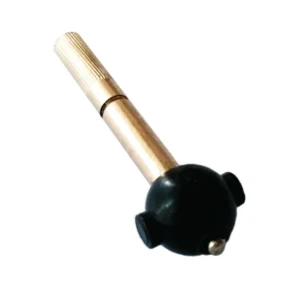
Metal Components in Plastic
Brass, stainless steel, or aluminium inserts of all shapes molded directly into plastic components for strong fit and reducing assembly time and manual labour. We usually manufacture rather Complex components.
Joystick moving rods, Sensors, apply fast mounting features to metal parts
Why Use Insert Molded Metal Inserts?
Higher Bonding Strength
Plastic molded around a metal component provides a solid unit.
Creating Special Features
With molding we create threads, hexagons, fixation points, etc without the cost of CNC machining
Improved durability
The combination is very durable without using glue or fasteners

PCB Encapsulation
Printed circuit boards and electronic assemblies are encapsulated in plastic to protect against moisture, vibration, dust, and mechanical stress. This solution creates robust sealed units for automotive sensors, industrial controllers, and IoT modules.
IP54–IP68 sealing · Sensor modules · Electronics overmolding
Why Use Insert Molded Printed Circuits?
Sealing and Watertightness
The encapsulates PCB is completely sealed and watertight
Fast & Repetitive Assembly
The plastic molding ensures equal results throughout all the finished parts obtaining a sealed housing with out without integrated fixation points.
Plastics & Insert Materials
We work with engineering-grade thermoplastics and a broad range of metal insert materials to match your mechanical, thermal, and regulatory requirements.
CONNECTOR-GRADE RESINS
- Nylon PA6 / PA66
- PBT (Polybutylene Terephthalate)
- LCP (Liquid Crystal Polymer)
- PPS (Polyphenylene Sulfide)
STRUCTURAL PLASTICS
- ABS & ABS/PC Blend
- Polypropylene (PP)
- Polycarbonate (PC)
- PEEK (High-performance)
SPECIALTY RESINS
- TPE / TPU Overmolding
- PET (Polyethylene Terephthalate)
- Acetal (POM)
- Glass-filled grades available
Common Insert Types
Brass threaded inserts (M2–M12)
Stamped metal brackets & clips
Shafts, bushings & bearings
Stainless steel contacts & pins
PCBs & flexible circuits (FPC)
Magnets & ferrite cores
Copper / bronze electrical terminals
Aluminum heat-sink inserts
Fibre optic connector ferrules
Our Process
From your first inquiry to final delivery, we manage every step — tooling, production, inspection, and shipping.
Manufacturing Specifications
Overview of our molding capabilities specifically related to insert molding.

| Parameter | Specification |
|---|---|
| Shot Weight | 0.1 g – 150 g |
| Clamping Force | 20 – 50 tons |
| Max Part Size | 120 × 120 × 80 mm |
| Dimensional Tolerance Plastic | ±0.1 – 0.2 mm |
| Insert Position Accuracy | ±0.02 – 0.05 mm |
| Min. Wall Thickness | 1.2 mm |
| Cavity Configuration | 1 – 2 cavities |
| Annual Capacity | Up to 5 – 20 million parts |
| Production Lead Time Molds | 3 – 4 weeks |
| Production Lead Time Series | 2 – 4 weeks or Continuous |
| Minimum Order Qty | 1,000 – 5,000 pieces |
Combining components into one molded part reduces labor, fasteners, and secondary operations.
Plastic mechanically bonds to the insert. Stronger than gluing, staking, or press-fitting post-mold.
Automated insert placement and in-line inspection ensure repeatable quality at scale.
PCB encapsulation provides IP54–IP68 protection without additional gaskets or potting.
Replacing full metal parts with plastic-encapsulated inserts reduces weight while maintaining strength.
Supports complex geometries, undercuts, and multi-material configurations that traditional assembly cannot achieve.
Applications & Industries
Davantech’s insert molded components are used across demanding industries worldwide.
AUTOMOTIVE
- Sensor housings & connectors
- ECU connector assemblies
- Threaded bracket inserts
- Cable sealing grommets
ELECTRONICS
- Multi-pin electrical connectors
- PCB enclosures & modules
- Terminal blocks
- LED driver housings
MEDICAL
- Diagnostic device components
- Surgical tool handles
- Fluid connector assemblies
- Wearable device enclosures
INDUSTRIAL
- Pneumatic valve bodies
- Sensor probe assemblies
- Control panel components
- Hydraulic fittings
TELECOM
- RF & coaxial connectors
- Antenna base assemblies
- Fibre optic housings
- Network equipment parts
CONSUMER PRODUCTS
- Power tool components
- Battery terminal assemblies
- Smart home device parts
- Charging cable connectors
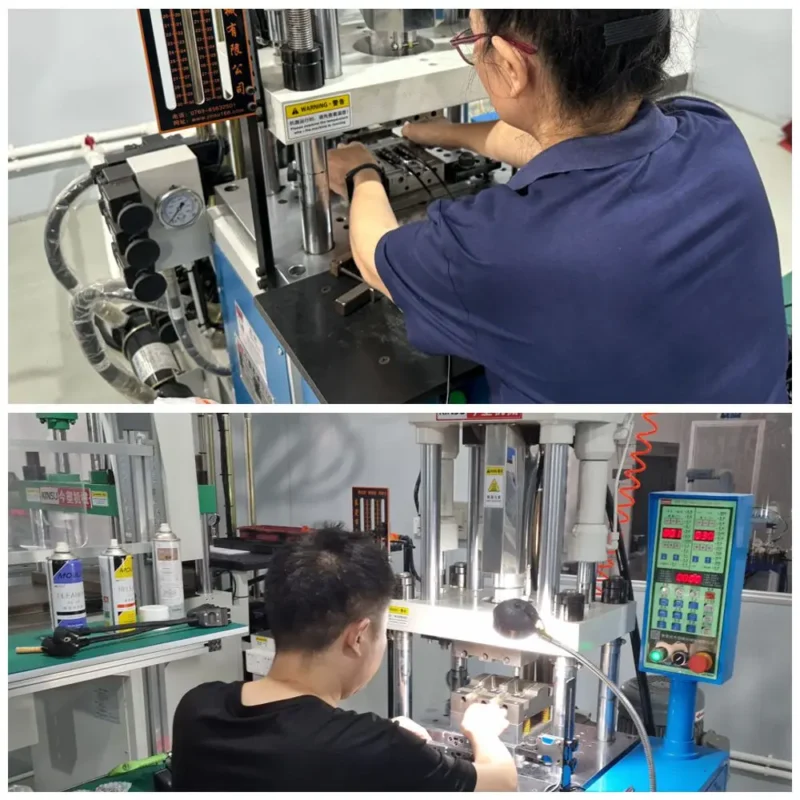
Built-In Quality
Every insert molded part goes through rigorous inspection before it leaves our facility. Our ISO 9001:2015 certified processes guarantee consistency and repeatability across every production run.
Insert Molding Services FAQ
What is insert molding?
Insert molding is an injection molding process in which a metal or other non-plastic component is placed into the mold before plastic is injected. The plastic flows around the insert and locks it permanently into the finished part as it cools.
What is the difference between insert molding and overmolding?
Insert molding places a non-plastic component such as metal into the mold before plastic injection. Overmolding applies a second plastic or elastomer layer over an existing part, usually to add sealing, grip, or protection.
What metals can be insert molded?
Common insert materials include brass, copper, phosphor bronze, stainless steel, and other machined or stamped metal parts depending on the application.
What plastics are used in insert molding?
Typical insert molding plastics include PA66, PBT, LCP, ABS, PC, and POM. The best material depends on temperature resistance, dimensional stability, electrical insulation, chemical exposure, and mechanical load.
What insert molding services does Davantech provide?
Davantech provides insert molding services for connector housings with metal contacts, threaded inserts in plastic parts, and PCB encapsulation. We also support projects involving magnetic connectors, pogo pin connectors, and custom metal inserts.
Can insert molding be used for threaded inserts in plastic parts?
Yes. Insert molding is widely used to lock threaded metal inserts into plastic parts. This creates stronger, more durable fastening points than plastic threads alone and supports repeated assembly and disassembly.
Can insert molding replace press-fit or heat-set inserts?
In many applications, yes. Insert molded threaded inserts generally offer stronger and more reliable retention because the plastic solidifies around the insert during molding, fully engaging the insert's retention features.
Can Davantech use customer-supplied inserts?
Yes. Davantech can work with customer-supplied metal contacts, threaded inserts, magnetic elements, pogo pins, and other custom components after reviewing them for mold compatibility and production feasibility.
What are the main design rules for insert molding?
Important insert molding design factors include insert retention geometry, insert positioning, wall thickness around the insert, gate location, flow path, and parting line design. These factors affect retention strength, dimensional stability, and manufacturing consistency.
Why choose Davantech for insert molding services in China?
Davantech is an ISO 9001:2015 certified manufacturer in China with in-house mold design, precision insert positioning capability, engineering support, process control, and worldwide delivery. We focus on reliable quality and practical manufacturing solutions.
How do I request a quote for insert molding services?
Send Davantech your drawings, 3D files, insert specifications, required plastic material, annual volumes, and any technical or compliance requirements. This allows us to review tooling, manufacturability, and production cost accurately.
Ready to Start Your Insert Molding Project?
Send us your drawings and 3D files or describe your requirements with enough detailed information. We’ll respond with a free DFM review and competitive quote within 24 hours. Production from 500 pieces.