
Comparing TPE vs TPU for Overmolding
Shore hardness, temperature range, chemical resistance, substrate adhesion, cost, and recyclability compared. With a decision framework to choose the right material for your overmolded part.
TPE and TPU: What Are They?
TPE (Thermoplastic Elastomer) is a family of polymer blends that combine the elasticity of rubber with the processability of thermoplastics. TPEs are soft, flexible, and easy to mold at relatively low temperatures. They bond well to common substrates like ABS, PA, PC, and PP without primers or adhesives. TPE is the default choice for most overmolding applications where soft-touch feel, comfortable grip, or basic sealing is the goal.
TPU (Thermoplastic Polyurethane) is a specific type of elastomer known for exceptional abrasion resistance, tear strength, and resistance to oils, fuels, and chemicals. TPU is tougher and more durable than TPE but costs more and requires higher processing temperatures. TPU is chosen when the overmolded part must survive harsh mechanical or chemical environments over a long service life.
Both materials are thermoplastic, meaning they can be melted and injection molded in standard overmolding presses. Both bond to rigid substrates. The choice between them depends on your part’s functional requirements, environment, and budget.
TPE vs TPU Compared
This table compares the two materials across every property that matters for overmolding decisions.
| Property | TPE | TPU |
|---|---|---|
| Shore hardness range | 5A – 80D | 60A – 75D |
| Tensile strength | 2 – 20 MPa | 20 – 60 MPa |
| Elongation at break | 200 – 800% | 300 – 700% |
| Tear strength | Moderate | Excellent |
| Abrasion resistance | Moderate | Excellent |
| Temperature range | -40°C to +100°C | -40°C to +120°C |
| Oil/fuel resistance | Moderate | High |
| Chemical resistance | Moderate (acids, bases OK; oils weak) | High (oils, fuels, solvents) |
| UV / weather resistance | Good (may yellow over time) | Excellent (outdoor rated) |
| Substrate adhesion | Bonds easily to ABS, PA, PC, PP | Strong chemical bond (may need substrate selection) |
| Processing temperature | 180 – 230°C (lower, easier) | 200 – 250°C (higher) |
| Cycle time | Shorter (faster cooling) | Longer (slower cooling) |
| Material cost | $2 – $5/kg | $4 – $10/kg |
| Recyclability | Easily recyclable (regrind directly) | Recyclable (may need drying) |
| Soft-touch feel | Excellent (softer grades available) | Good (firmer feel at same Shore) |
| Compression set | Higher (deforms over time under load) | Lower (retains shape better) |
Summary: TPE wins on cost, processing ease, soft touch, and substrate adhesion. TPU wins on durability, chemical resistance, abrasion resistance, and long-term performance. For most consumer and indoor applications, TPE is sufficient. For industrial, automotive, and outdoor applications, TPU is worth the extra cost.
When to Use TPE
-
Soft-touch grips and handlesTool handles, medical instruments, consumer electronics housings. TPE at Shore 40A–70A provides a comfortable, non-slip grip. Bonds directly to PA or ABS substrates without primers.
-
Seals and gaskets (indoor/moderate environment)Door seals, lid gaskets, IP54-rated enclosure seals. TPE provides adequate sealing where there’s no oil or solvent exposure. Lower cost than TPU for high-volume sealing applications.
-
Cost-sensitive high-volume productionTPE is 30–50% cheaper than TPU per kg and has shorter cycle times. For consumer products where the overmold is functional but not exposed to harsh conditions, TPE keeps the per-part cost down.
-
Medical devices (skin contact)TPE grades are available with biocompatibility certifications (ISO 10993). Softer grades (Shore 20A–40A) are used for wearable sensors, probe covers, and ergonomic grips on surgical instruments.
When to Use TPU
-
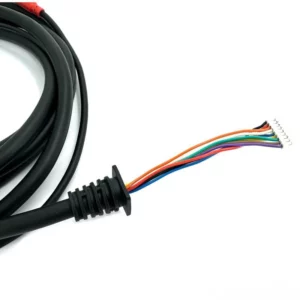
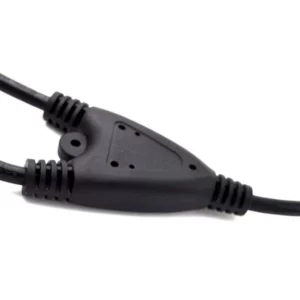
Cable strain reliefs and connector overmoldingTPU at Shore 60A–80A provides the combination of flexibility and tear resistance needed for cable assemblies that undergo repeated bending, pulling, and twisting. Most EV charging cables, industrial sensor cables, and ruggedised USB cables use TPU strain relief.
-
Outdoor and UV-exposed applicationsTPU resists UV degradation, weathering, and temperature cycling better than TPE. Outdoor sensor housings, solar panel connectors, and exterior automotive trim use TPU because it won’t crack or yellow after years of sun exposure.
-
Oil, fuel, and chemical exposureAutomotive engine compartment parts, hydraulic fittings, and industrial equipment where the overmold contacts oils, fuels, or cleaning solvents. TPE swells and degrades in these environments; TPU does not.
-
High-wear surfacesRoller coverings, conveyor guides, protective bumpers, and phone cases. TPU’s abrasion resistance is 3–5x better than TPE, meaning the overmold lasts significantly longer under repeated mechanical contact.
Substrate Adhesion: What Bonds to What
The overmold must bond to the rigid substrate without separating. Not all TPE/TPU grades bond to all plastics. Substrate compatibility is the most common reason overmolding projects fail. This table shows typical adhesion performance.
| Substrate | TPE Adhesion | TPU Adhesion |
|---|---|---|
| ABS | Excellent | Excellent |
| PC (Polycarbonate) | Excellent | Good |
| PA (Nylon) | Good to Excellent | Excellent |
| PP (Polypropylene) | Good (requires compatible grade) | Poor (chemical incompatibility) |
| PE (Polyethylene) | Moderate (requires compatible grade) | Poor |
| POM (Delrin/Acetal) | Poor (mechanical interlock needed) | Poor (mechanical interlock needed) |
| Metal (brass, steel, aluminium) | Mechanical bond only (undercuts, grooves) | Mechanical bond only (undercuts, grooves) |
Important: adhesion depends on the specific TPE/TPU grade, not just the material family. Always request adhesion test samples before committing to production tooling. At Davantech, we run adhesion pull tests during the first-article stage and recommend the optimal material/substrate combination during DFM review.
Processing Differences
Both materials are processed on standard injection molding machines, but they behave differently in the press. These differences affect cycle time, cost, and part quality.
- Melt temperature 180 – 230°C
- Mold temperature 20 – 50°C
- Drying required Usually not (some grades need 2 hrs at 80°C)
- Cycle time Shorter (cools faster)
- Regrind Directly reusable (up to 20–30%)
- Gate marks Easy to trim, minimal vestige
- Melt temperature 200 – 250°C
- Mold temperature 30 – 60°C
- Drying required Yes, 2–4 hrs at 100–110°C (moisture sensitive)
- Cycle time Longer (slower cooling, higher viscosity)
- Regrind Reusable but must be re-dried
- Gate marks Stringing can occur, requires gate optimisation
The processing differences mean TPE is cheaper to mold per part, even before the material cost difference. Shorter cycle time + no mandatory drying + easier regrind = lower total manufacturing cost. TPU’s higher processing demands are justified when the part’s functional requirements need its superior properties.
TPE vs TPU Cost Comparison
Total overmolding cost includes material, cycle time, drying/preparation, and scrap rate. TPE wins on every cost factor.
| Cost Factor | TPE | TPU |
|---|---|---|
| Material cost per kg | $2 – $5 | $4 – $10 |
| Drying before molding | Usually not required | 2 – 4 hours at 100°C |
| Cycle time (relative) | Baseline | 10 – 30% longer |
| Scrap reuse | Direct regrind | Regrind + re-dry |
| Tooling cost | Same | Same |
| Total cost per part | 30 – 50% lower | Higher but justified by performance |
Typical Applications: TPE vs TPU
- Tool and appliance grips
- Medical device handles
- Consumer electronics housings
- Indoor sensor enclosure seals
- Toothbrush grips
- Cosmetic packaging
- Cable strain reliefs
- EV charging connectors
- Industrial sensor cables
- Automotive seals and gaskets
- Phone cases and protective covers
- Outdoor IP67 connector overmolds
- USB cable overmolding
- Connector housing seals (indoor)
- Vibration damping pads
- Button and keypad covers
- Wire harness strain relief (light duty)
- Ergonomic handle wraps
TPE vs TPU Questions
What is the difference between TPE and TPU?
TPE is a broad family of rubber-plastic blends that are soft, flexible, and easy to process. TPU is a specific type of elastomer with superior abrasion resistance, tear strength, and chemical resistance. TPE is softer and cheaper. TPU is tougher and more durable. Both are used for overmolding, but they serve different performance requirements.
Which is cheaper: TPE or TPU?
TPE is 30–50% cheaper in total part cost. Material cost is $2–$5/kg (TPE) vs $4–$10/kg (TPU). TPE also has shorter cycle times, usually doesn’t require drying before molding, and regrind is directly reusable. For cost-sensitive high-volume production, TPE is the clear winner.
Which material is better for cable overmolding?
TPU. Cable strain reliefs need tear resistance, flex fatigue resistance, and often chemical or UV resistance. TPU outperforms TPE on all three. Most industrial cables, EV charging cables, and ruggedised connectors use TPU at Shore 60A–80A. TPE can work for light-duty indoor cables where cost is the priority. See our overmolded connectors guide for the full process.
Can TPE and TPU bond to metal substrates?
Neither TPE nor TPU forms a chemical bond with metal. The bond is purely mechanical: the molten material flows around features (undercuts, grooves, knurling) in the metal insert and locks in place when it solidifies. Design the metal insert with sufficient undercuts and textured surfaces to ensure a strong mechanical grip. See our insert molding services page.
What Shore hardness should I specify for overmolding?
For soft-touch grips: Shore 40A–60A (TPE). For seals and gaskets: Shore 50A–70A (TPE or TPU). For cable strain relief: Shore 60A–85A (TPU). For protective bumpers: Shore 70A–90A (TPU). Lower Shore A numbers are softer. The right hardness depends on the balance between comfort (soft) and durability (firm). We can provide sample plaques in multiple hardnesses for evaluation before committing to production.
Does TPE yellow in sunlight?
Standard TPE grades can yellow with prolonged UV exposure, especially in light colours. UV-stabilised TPE grades are available but add cost. If the part is used outdoors or near windows, TPU is the safer choice because it has inherently better UV resistance. For indoor-only use, standard TPE is fine.
Can I switch from TPE to TPU without changing the mold?
Sometimes. If the mold was designed with appropriate gate size, runner dimensions, and venting for TPU (which is more viscous), you can often run TPE in the same mold. Going the other direction (TPE mold to TPU) may require gate enlargement and improved venting. The substrate must also be compatible with both materials. Discuss with Davantech before assuming mold compatibility.
Are TPE and TPU recyclable?
Yes, both are thermoplastics and can be reground and remolded. TPE regrind is directly reusable at 20–30% blend with virgin material. TPU regrind must be re-dried before processing because it absorbs moisture. Both materials are more recyclable than thermoset rubbers (silicone, EPDM) which cannot be remelted once cured.
Request a Quote
Contact Engineering
CNC Machining + Overmolding Factory