
Precision CNC Machining
Factory in China
CNC Machining Factory in China - ISO Certified: Precision CNC milling, turning, and EDM direct from our factory in Dongguan. 60+ machines, English-speaking engineering, full QC documentation, free DFM with every quote. Not a trading company.
Direct Factory · Not a Trading Company
Precision CNC Machining From Our Factory in China
Davantech is an ISO 9001:2015 certified CNC machining factory in Dongguan, China, producing precision parts for OEMs in Europe and North America since 2012. We supply precision machined parts to OEMs in Europe, North America, and Australia, direct from the shop floor, with no trading company markup, and with the engineering communication and documentation Western buyers expect. This page covers our services, capabilities, materials, costs, and how to qualify any Chinese CNC supplier, including us. New to ordering from China? Start with our step-by-step guide to ordering CNC parts from China.
Services
CNC Machining Services Available at Davantech
We offer the full range of subtractive precision processes under one ISO 9001:2015 roof. For full technical detail on each process, tolerances, materials, equipment specifics, see our CNC Machining Services page.
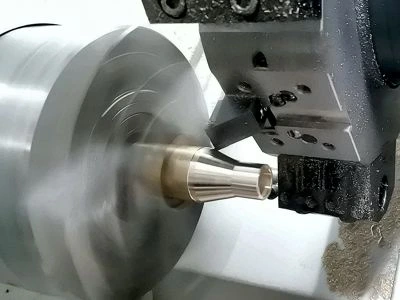
CNC TURNING
High-precision turning for shafts, fittings, bushings, and connectors. Live tooling enables milled features in one setup.
- ±0.005 mm on diameters
- Ra 0.4 – 1.6 μm finish routine
- Brass, stainless, aluminium, POM
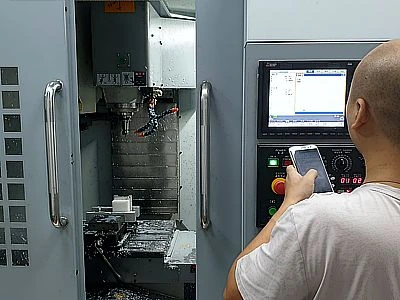
CNC MILLING
3-axis and 4-axis precision milling for prismatic parts, enclosures, manifolds, and complex 3D geometries up to 1.8 m long.
- ±0.02 mm precision tolerance
- 60+ milling machines
- Up to 1.8 m capacity
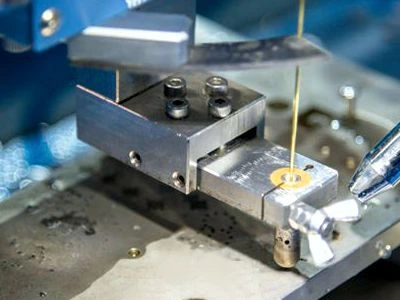
WIRE CUTTING
Wire-EDM for sharp internal corners, hardened materials, and intricate profile cuts that conventional milling cannot produce.
- Profile tolerances ±0.01 mm
- Hardened & tool steels
- Internal sharp corners
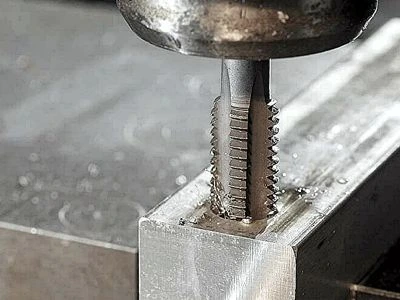
DRILLING, TAPPING, REAMING
Secondary operations integrated into the milling and turning process. ISO metric and imperial threads. Reaming for press-fit and bearing tolerances.
- M2 to M48 tapping
- H7 reamed bores
- Counterbore & countersink

SURFACE TREATMENTS
Type II & Type III hard anodising, electroless nickel plating, zinc, passivation, powder coat, black oxide. Managed under our QMS.
- MIL-A-8625 anodising
- RAL colour matching
- Salt-spray-tested coatings

ASSEMBLY & MOLDING
As your project scales, the same factory handles insert molding, overmolding, and final assembly — no new vendor qualification needed.
- Insert molding
- Overmolded cables & connectors
- Mechanical & PCB assembly
Materials, Tolerances & Equipment
A summary of what we routinely produce. Specialist alloys, exotic plastics, and tighter-than-precision tolerances are available. Discuss at quote stage.
- Aluminium 6061-T6, 7075-T6, 2024, 5052, 6082
- Stainless steel 303, 304, 316L, 17-4 PH
- Carbon & alloy steel 1018, 1045, 4140, 4340
- Brass & copper CW614N, C360, CuETP
- Titanium Grade 2, Ti-6Al-4V (Grade 5)
- Plastics PEEK, POM, PA6/66, PC, PTFE, PMMA
- Standard tolerance ±0.05 mm (ISO 2768-m)
- Precision tolerance ±0.02 mm
- Turned diameters ±0.005 mm achievable
- Position ±0.02 mm across faces
- Surface finish (turned) Ra 0.4 μm routine
- Surface finish (milled) Ra 1.6 μm (3.2)standard
More on tolerances explained and design guidelines.
- 3-axis milling 40+ machines
- 4-axis milling 20+ machines
- Max milled length 1.8 m
- CNC lathes (live tooling) 15 machines
- Multi-spindle screw Available
- EDM & wire-cut Yes
Full materials list, tolerance tables, and process detail: CNC Machining Services →
Who Sources CNC Machined Parts From Our China Factory
We supply precision CNC machined parts to OEMs and engineering teams across six major industries, from single prototypes to high-volume annual production contracts.
- Sensor housings & connectors
- Hydraulic & pneumatic fittings
- Precision shafts & bushings
- Hard-anodised actuator parts
- Electronic enclosures
- Anodised heat sinks
- Nickel-plated EMC shields
- PCB spacers & standoffs
- Surgical instrument bodies
- Titanium implant components
- Passivated stainless parts
- Fluid handling fittings
- Aluminium structural brackets
- Titanium fasteners & inserts
- Wire-EDM profile parts
- Precision manifold bodies
- Valve bodies & fittings
- Precision gears & shafts
- Ground & lapped seal faces
- Pump & compressor parts
- RF connector components
- Antenna mounting hardware
- Zinc-plated steel enclosures
- IoT sensor probe bodies
Independently Audited Quality System
Our quality management system is audited annually by an accredited third-party certification body. The certificate is current, the scope covers the full production process, and customers and prospects can request the PDF for verification.
Certificate available on request. Audited annually by accredited third-party certification body.
Cost Comparison China vs Europe vs US
Indicative pricing for the same standard precision part, sourced direct from an CNC Machining Factory in China, ISO-Certified. Savings are largest on labour-intensive parts (multi-setup milling, manual finishing) and smallest on raw-material-dominated parts (large titanium billets, exotic alloys). For a deeper breakdown of how CNC machining cost is built up, see how much CNC machining costs.
| Europe | United States | Davantech (China) | |
|---|---|---|---|
| Relative unit cost | High (baseline) | Highest | 30–60% lower |
| Prototype lead time | 10–20 days | 7–15 days | 5–7 days |
| ISO 9001:2015 | Common | Common | Yes — certified |
| DFM support | Varies | Varies | Included free |
| Volume scalability | Moderate | Moderate | High |
Methodology: based on quotations Davantech prepared for European and US OEMs in 2024–2025, compared against quotes those customers shared from their incumbent local suppliers for the same drawing, material, tolerance, and quantity. Send a drawing for a like-for-like comparison.
Three Real-World Cost Examples
Actual production runs from Davantech in the last 12 months. Drawings, tolerances, and materials available on request under NDA.
| Part | Process | Qty | Davantech | Typical Western |
|---|---|---|---|---|
| Aluminium 6061 enclosure (70×35×25 mm) | 3-axis milling | 200 | $4.10/pc | $9–12 (US) |
| Stainless 304 coupling (turned + threaded) | Turning | 500 | $1.90/pc | €4–6 (EU) |
| PA6 mounting block | Milling | 1,000 | $3.50/pc | €7–10 (EU) |
Cost Comparison China vs Europe vs US
Indicative pricing for the same standard precision part, sourced direct from an CNC Machining Factory in China, ISO-Certified. Savings are largest on labour-intensive parts (multi-setup milling, manual finishing) and smallest on raw-material-dominated parts (large titanium billets, exotic alloys). For a deeper breakdown of how CNC machining cost is built up, see how much CNC machining costs.
| Europe | United States | Davantech (China) | |
|---|---|---|---|
| Relative unit cost | High (baseline) | Highest | 30–60% lower |
| Prototype lead time | 10–20 days | 7–15 days | 5–7 days |
| ISO 9001:2015 | Common | Common | Yes — certified |
| DFM support | Varies | Varies | Included free |
| Volume scalability | Moderate | Moderate | High |
Methodology: based on quotations Davantech prepared for European and US OEMs in 2024–2025, compared against quotes those customers shared from their incumbent local suppliers for the same drawing, material, tolerance, and quantity. Send a drawing for a like-for-like comparison.
Three Real-World Cost Examples
Actual production runs from Davantech in the last 12 months. Drawings, tolerances, and materials available on request under NDA.
| Part | Process | Qty | Davantech | Typical Western | |
|---|---|---|---|---|---|
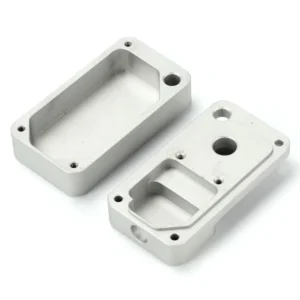 |
Aluminium 6061 enclosure (70×35×25 mm) | 3-axis milling | 200 | $4.10/pc | $9–12 (US) |
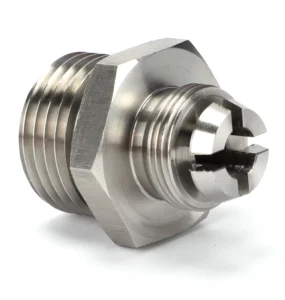 |
Stainless 304 coupling (turned + threaded) | Turning | 500 | $1.90/pc | €4–6 (EU) |
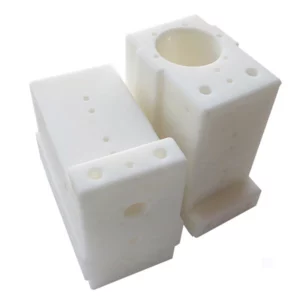 |
PA6 mounting block | Milling | 1,000 | $3.50/pc | €7–10 (EU) |
Factory vs Trading Company
Most Western buyers don't know which they're dealing with — and most Chinese suppliers won't volunteer the answer. The difference shows up in price, in quality consistency, and in what happens when something goes wrong.
| Trading Company | Direct Factory (Davantech) | |
|---|---|---|
| Owns production equipment | ✗ No | ✓ Yes |
| Single physical address | ✗ Often no | ✓ Yes — auditable |
| Direct contact with engineers | ✗ Through sales | ✓ Direct |
| Quality consistency batch-to-batch | Variable | ✓ Same QMS every order |
| Pricing structure | Factory cost + 15–35% margin | Direct factory cost |
| Accountability if parts fail | Disputed between trader and factory | Single point of accountability |
| DFM review at quote stage | Rarely | ✓ Free with every quote |
| Customer factory audits | Often refused | ✓ Welcome |
How to test: ask any Chinese supplier for a video walkthrough of their machine shop with company signage visible. A trading company will deflect or send stock footage. A real factory will book a video call within 48 hours.
CNC Machining: China vs Europe vs USA vs Vietnam vs India vs Eastern Europe
Where should you actually source precision CNC machined parts in 2026? Here is how the realistic options compare across the factors that matter for engineering buyers.
| China | Europe | USA | Vietnam | India | Eastern Europe | |
|---|---|---|---|---|---|---|
| Relative unit cost | 30–60% below West | High | Highest | Low | Lowest | Mid |
| Prototype lead time | 5–7 days | 10–20 days | 7–15 days | 10–14 days | 10–14 days | 7–10 days |
| Supply chain depth (materials, tooling, finishing) | Deepest globally | Strong | Strong | Limited | Mid | Mid |
| Precision CNC machine population | Largest globally | Strong (DE, IT, CH) | Strong | Small but growing | Mid | Mid (CZ, PL) |
| English engineering communication | Variable (good at premium suppliers) | Good | Native | Limited | Strong | Good |
| ISO 9001:2015 penetration | High (at qualified suppliers) | Universal | Universal | Mid | High at top tier | High |
| Air-freight to EU (door-to-door) | 3–5 days | Same-day to next-day | 3–4 days | 3–5 days | 3–5 days | 1–2 days |
| Sea-freight to EU | 25–35 days | N/A — overland | 14–18 days | 28–35 days | 22–28 days | 3–5 days truck |
| US Section 301 tariff exposure | Yes (~25%) | Low (some) | N/A — domestic | Low | Low | Low (some) |
| Best for | Precision CNC + finishing + assembly under one roof; cost-sensitive programmes | EU customers needing fastest turnaround; high-regulation work | US customers avoiding tariffs; defence-restricted parts | Lower-complexity; high-volume | English project management; software-adjacent hardware | EU short-lead small batches |
Bottom line: Europe and the USA win on lead time and zero-friction logistics for their respective regions, but cost typically runs 2–3× a Chinese direct-factory equivalent for the same precision part. Vietnam and India are lower on labour but lack China's supply chain depth, which often makes Chinese landed cost lower despite higher hourly rates. Eastern Europe is competitive specifically for EU customers wanting one-day truck delivery.
Where Outsourcing to China Goes Wrong
Pretending the risks don't exist helps no one. The four failure modes we see most often when customers come to us after a bad experience with another Chinese supplier — and how Davantech is structured to avoid each.
Seven Red Flags When Evaluating a Chinese CNC Supplier
If you spot any of these during the quoting or qualification phase, slow down. Each indicates either a trading company posing as a factory, or a factory operating below the standards a Western OEM should accept. For more, see our take on how to find the right CNC supplier in China.
- Quote arrives within an hour, no questions askedA real factory engineer reading a complex drawing has questions: tolerances, material grade, surface finish callouts, secondary operations. A 30-minute "quote" came from a price formula, not engineering judgement.
- Refusal or delay on a video factory tourA real factory can be on a video call within 48 hours, walking the shop floor with company signage visible. Excuses usually mean there is no factory to show.
- ISO certificate cannot be verifiedIf the issuing body's website doesn't list the supplier in its current certified-companies database, the certificate is expired, withdrawn, or fake.
- No mention of First Article InspectionIf FAI isn't standard for new parts, batch-level disasters are inevitable. Suppliers that treat FAI as an extra-cost service should be off your list.
- Sales contact cannot answer technical questionsTest it: send a question that requires actual engineering judgement. If the answer takes more than 24 hours or comes back vague, there is no engineer behind the salesperson.
- No written non-conformance policy"We'll discuss it" is not a policy. Get the rework / replacement / root-cause-analysis policy in writing in the supplier agreement.
How to Qualify a CNC Factory in China
A six-point checklist for comparing any Chinese supplier — including us. If a factory cannot demonstrate all six, walk away. We've also published a downloadable CNC supplier audit checklist (Excel, ISO 9001-aligned) for engineers running formal supplier audits.
CNC Machining China Frequently Asked Questions
The questions sourcing managers and engineering leads ask us most often. Have a question that isn't here? Send it over.
Is CNC machining in China reliable for Western OEMs?
How much can I save by outsourcing CNC machining to China?
What is the minimum order quantity at Davantech?
How long does shipping CNC parts from China take?
How is my IP protected when sending drawings to China?
Can I visit the factory?
Is China still cheaper than Vietnam, India, or Eastern Europe for CNC machining?
What happens if parts arrive that don't meet my drawing?
Are you actually a factory or are you a trading company?
What payment terms do you offer?
How do US tariffs on Chinese imports affect pricing?
Do you supply regulated industries like medical and aerospace?
Why Davantech, Not Just Any Chinese Factory
Many factories in China can quote your drawing. A much smaller number can deliver consistently to Western OEM standards. Here's what's specific to us.
- Belgian Engineering Management — On-Site, Full-TimeNot a representative who flies in once a quarter. European leadership manages production daily, ensuring Western quality standards are applied consistently — not just when an audit is scheduled.
- 15+ Years Supplying European and North American OEMsWe understand your drawings, tolerances, and the difference between "ISO 2768-m" and "as drawn". We don't have to learn Western standards from scratch.
- Single Factory, Single Point of AccountabilityNo subcontracting, no trading company markup, no "we'll have to ask the factory" delays. The team you talk to is the team that makes your parts.
- One Supplier for CNC + Insert Molding + Overmolding + AssemblyAs your project scales from machined prototypes to assembled finished goods, you don't requalify a new vendor at every stage. One PO, one quality system, one shipment.
Ready to Get
a Quote?
Send your drawings and 3D files. We'll respond within 24 hours with:
- A free DFM review flagging any producibility issues
- A detailed quote with cost breakdown
- Recommended lead time and shipping method
- An NDA, signed before review, if you want one